
Multifocal IOL LabMultifocal IOL Lab
IOL Performance Reports

Multifocal IOL Performance Reports

16

PureSee

(Johnson & Johnson)

317 views

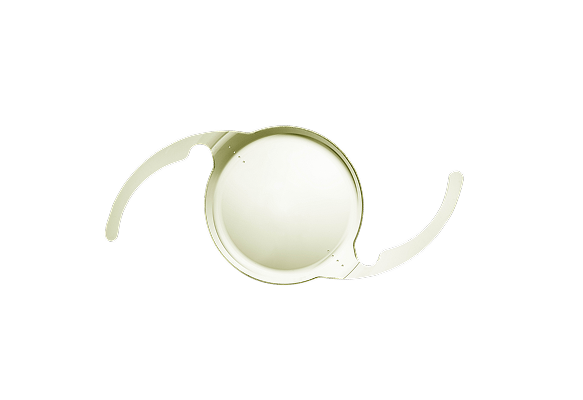
Johnson & Johnson's PureSee lens is a refractive multifocal IOL (or extended depth-of-focus IOL) with a shape that is slightly convex and raised in the center.
PureSee

Vision through the mobile model eye

PureSee, day, building, pupil 3.0 mm

PureSee, day, building, pupil 3.0 mm

With Johnson & Johnson's PureSee lens, distant buildings appear clear, almost the same as with a monofocal intraocular lens. This is a phenomenon typically seen with recently released refractive multifocal intraocular lenses. However, on very close inspection, the sharpness is very slightly lower than with a monofocal intraocular lens.
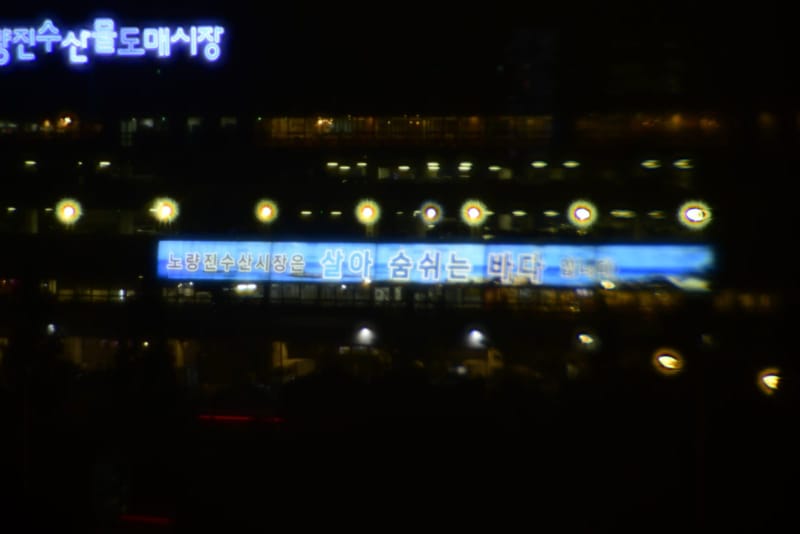
PureSee, nighttime, building, pupil 3.8 mm, glare

PureSee, nighttime, building, pupil 3.8 mm, glare

With Johnson & Johnson's PureSee, there is very slightly more glare around bright lights at night than with a monofocal intraocular lens. This is a phenomenon typically seen with recently released refractive multifocal intraocular lenses.
1

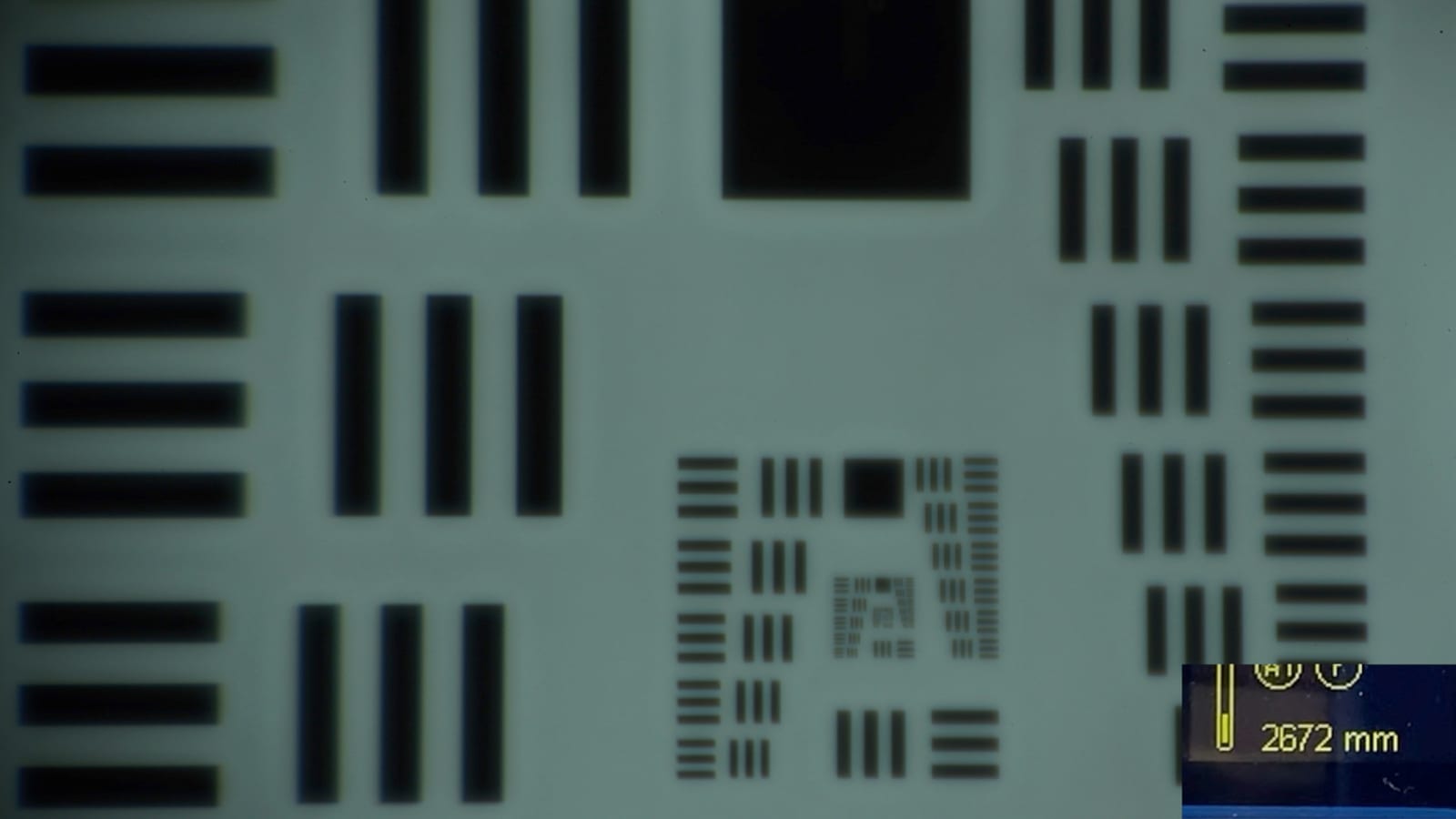
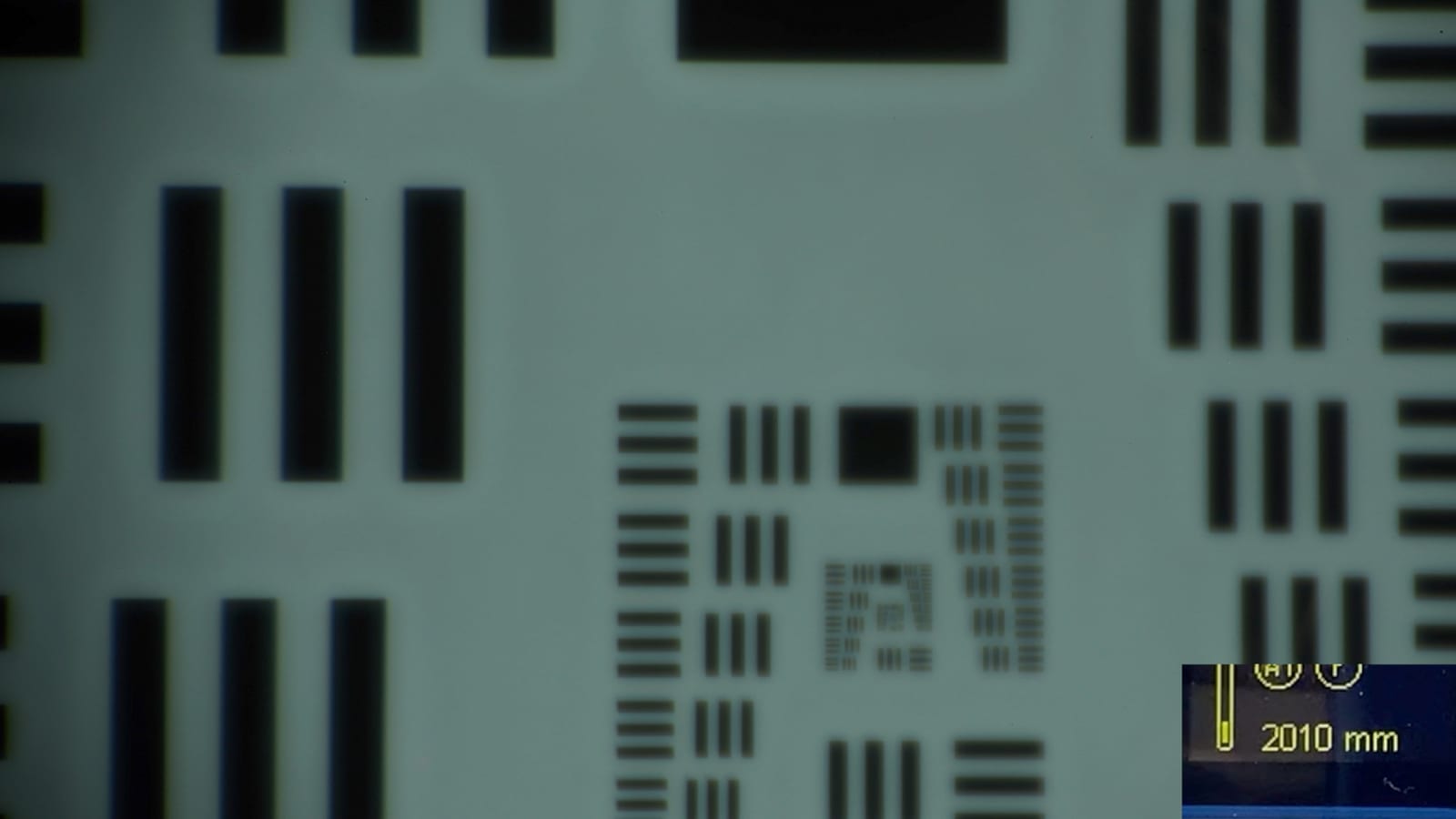
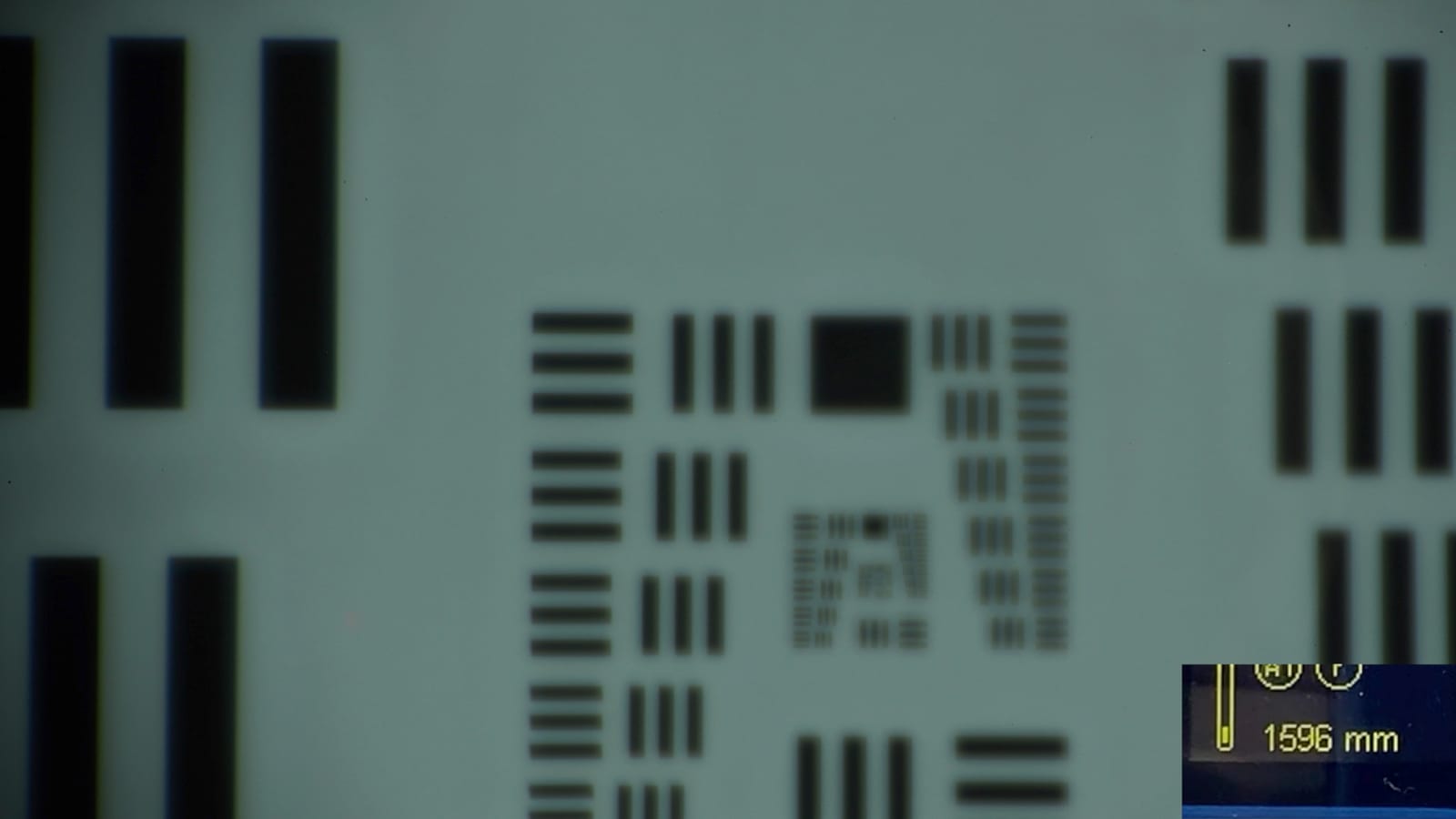
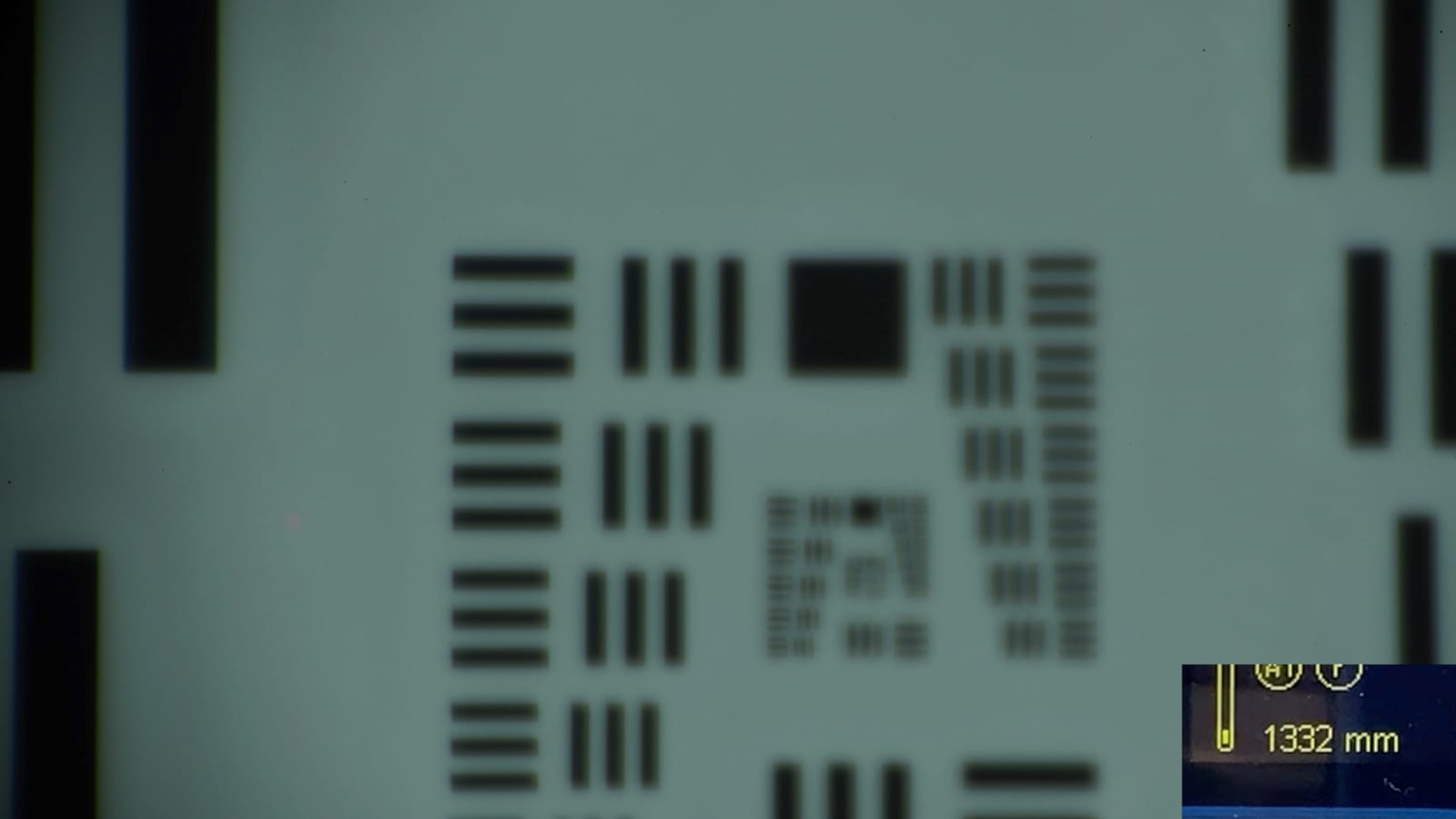
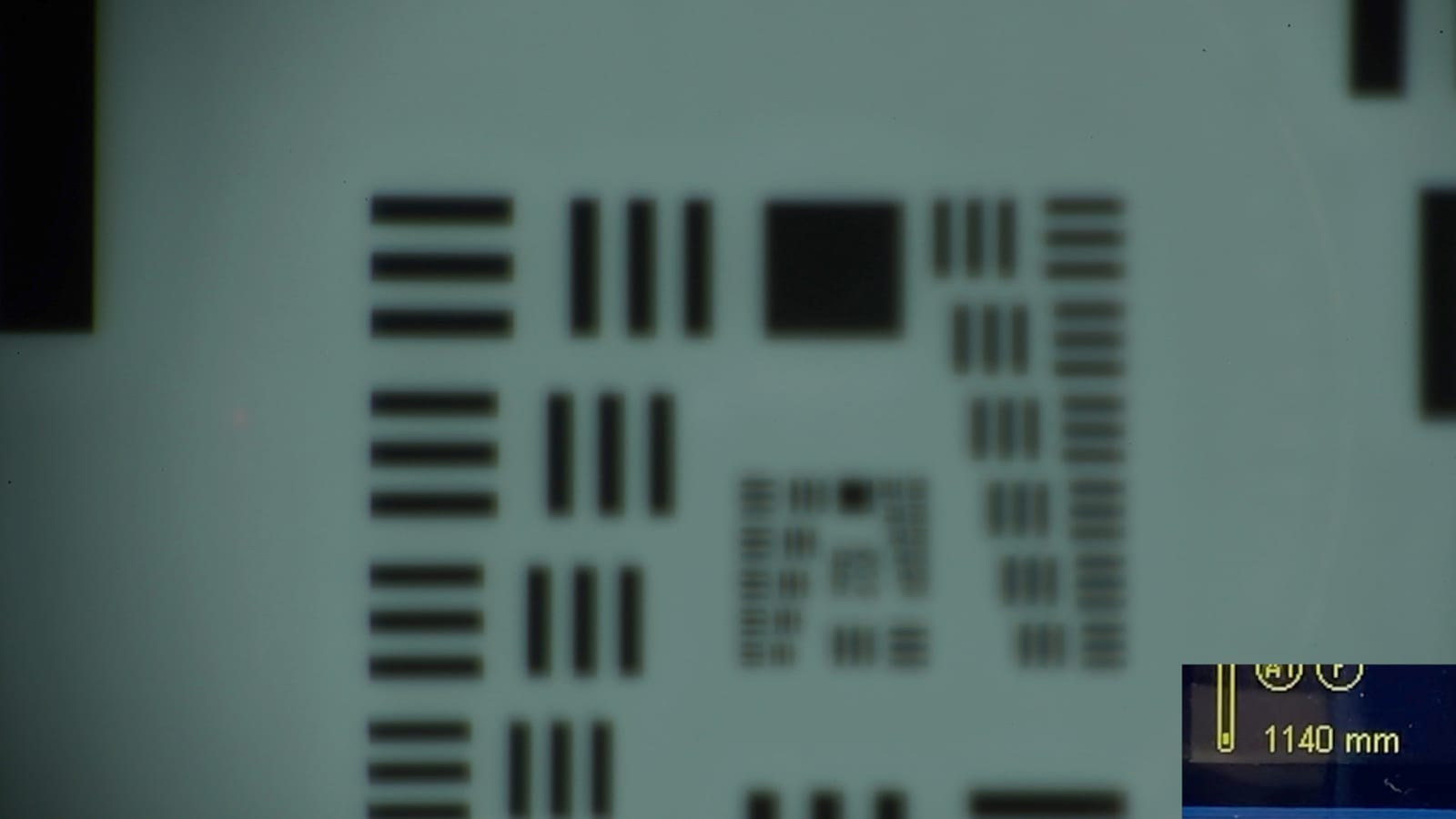
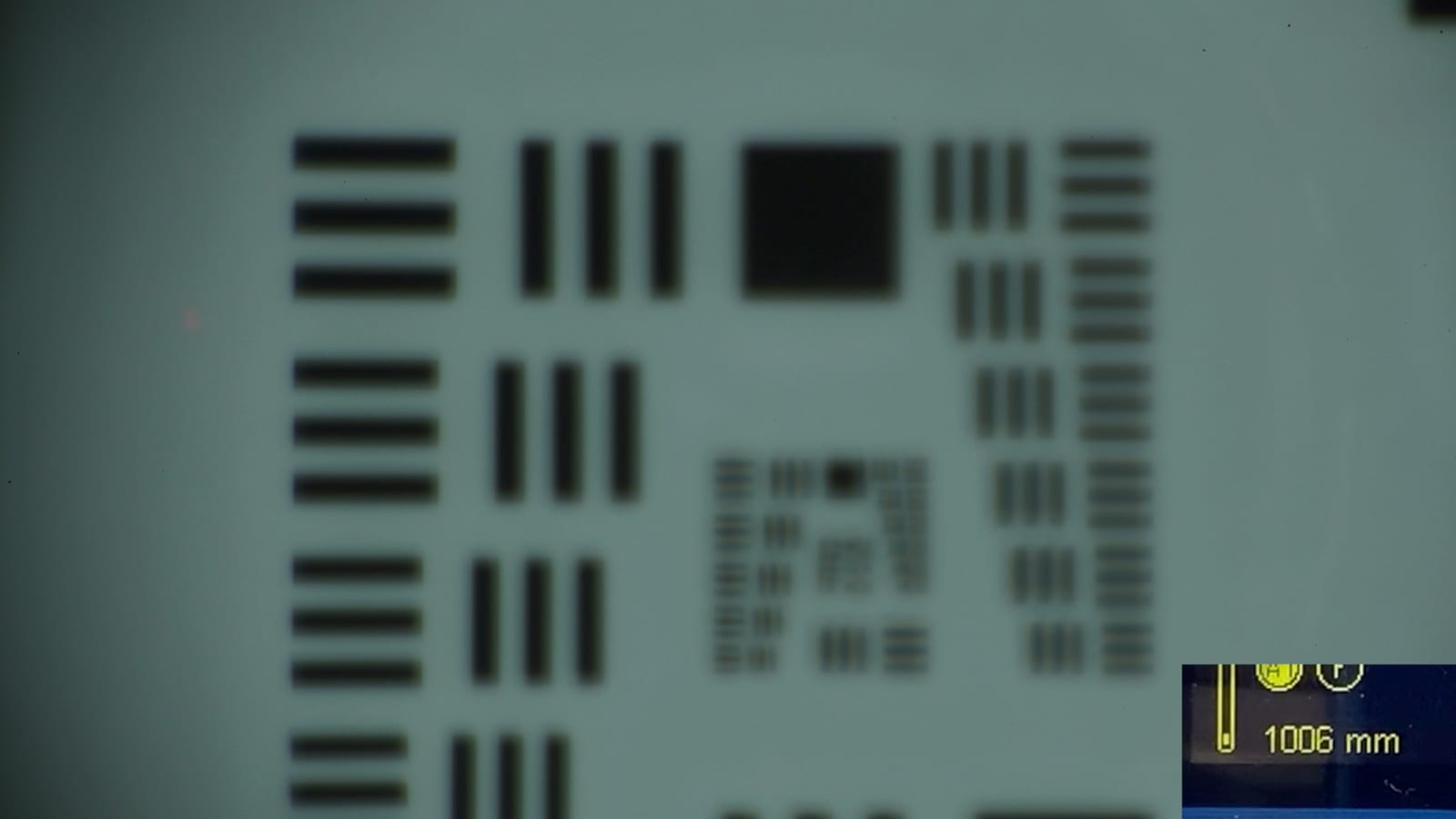
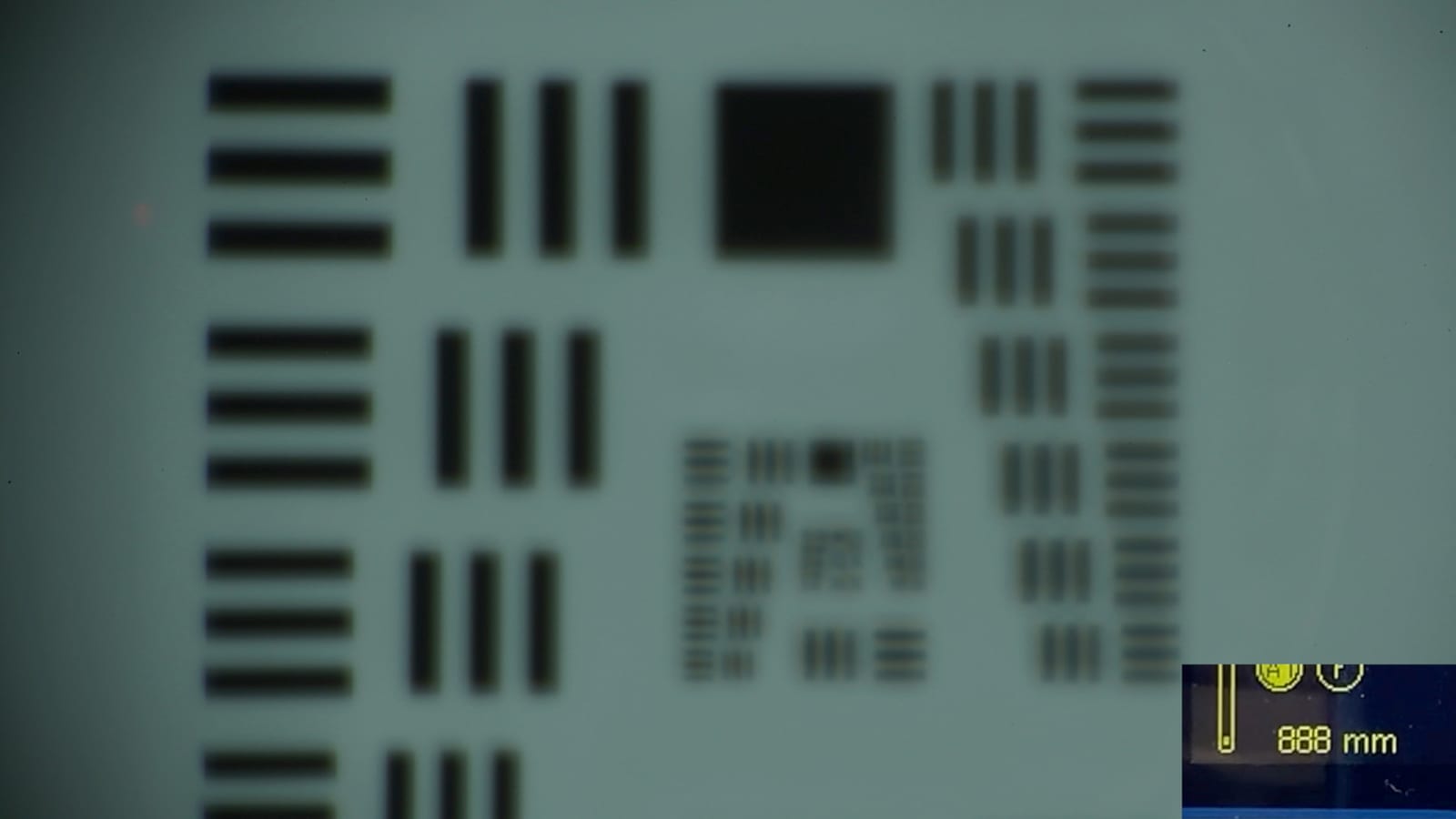
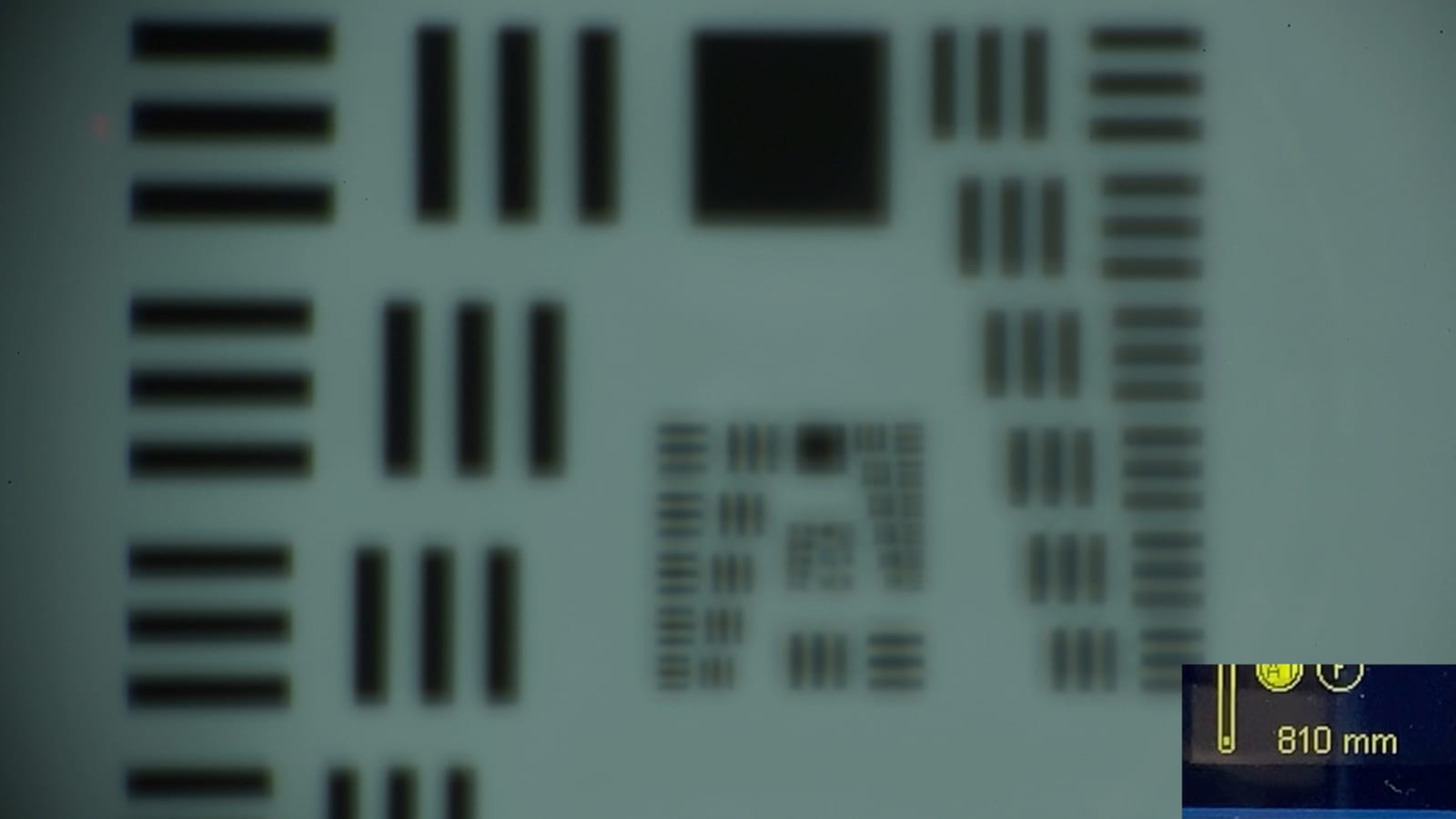
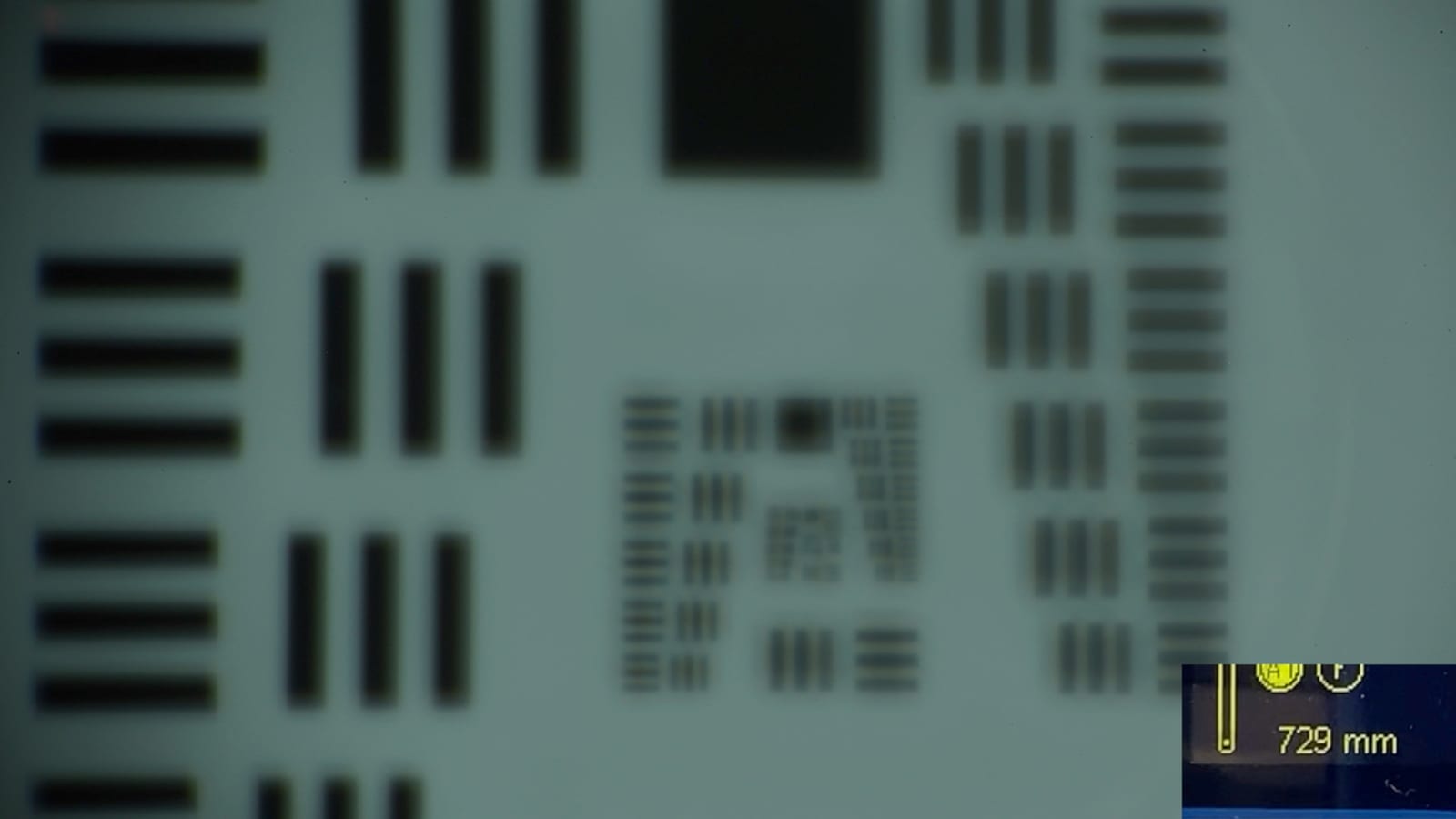
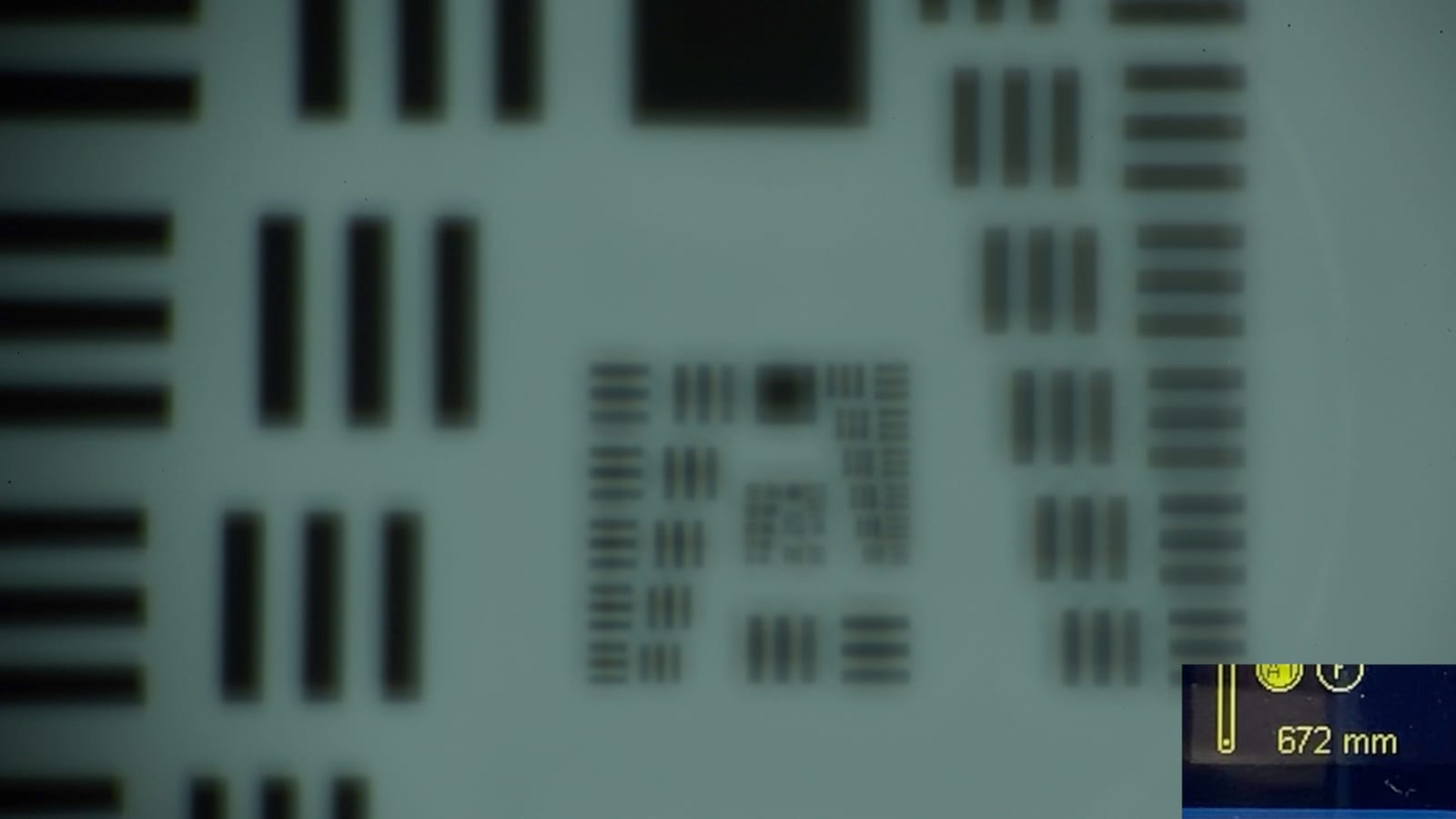
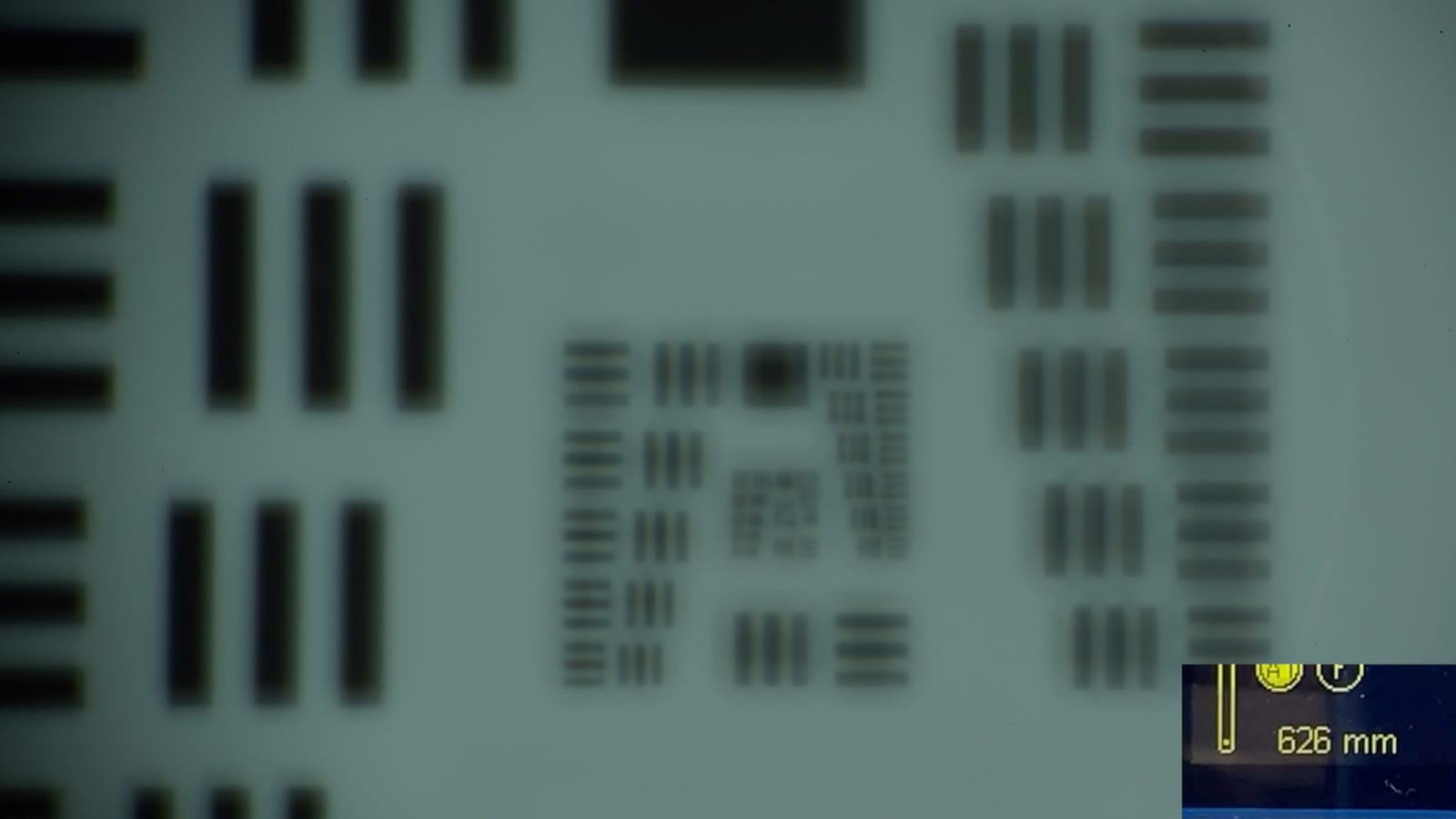
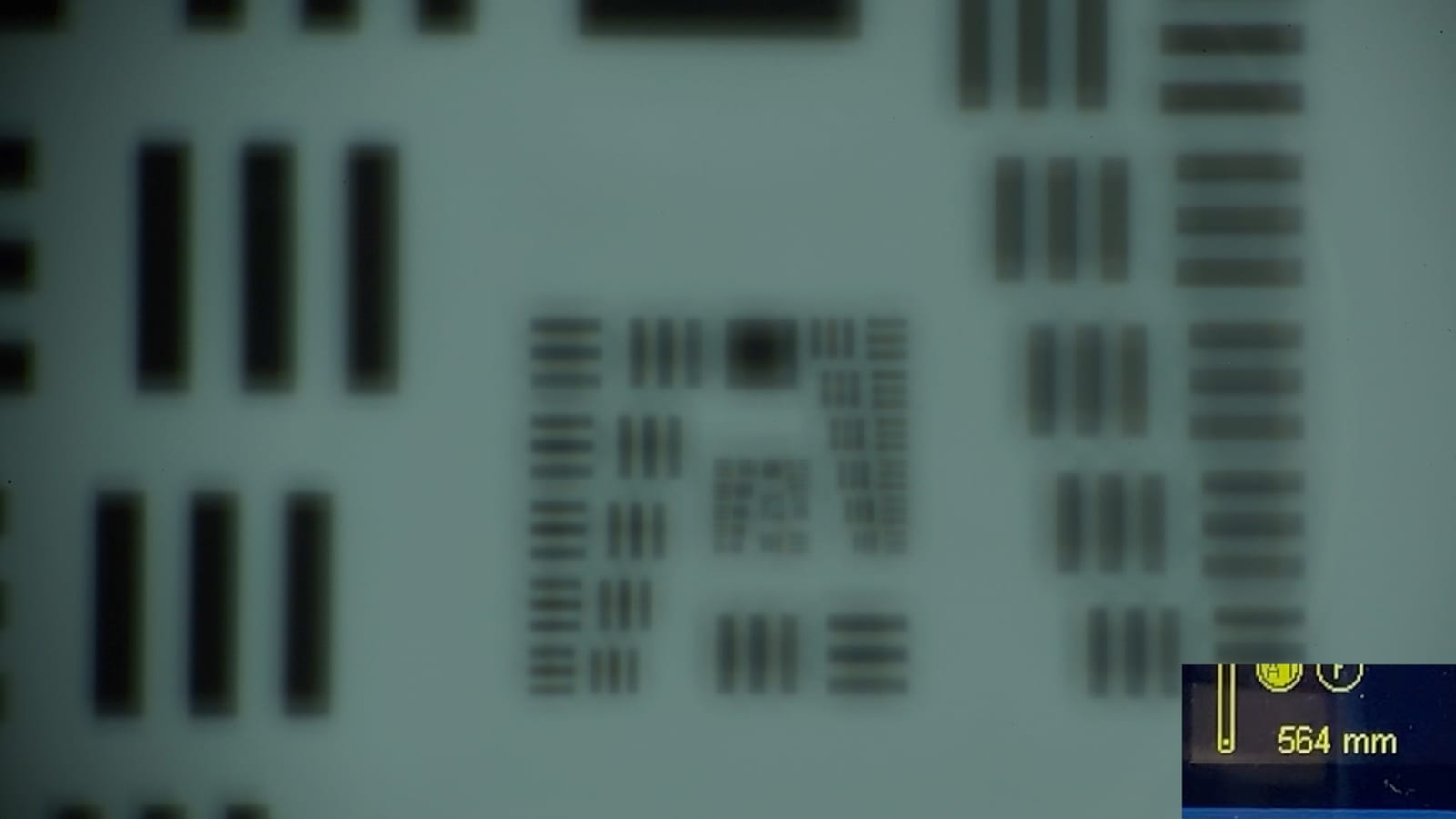
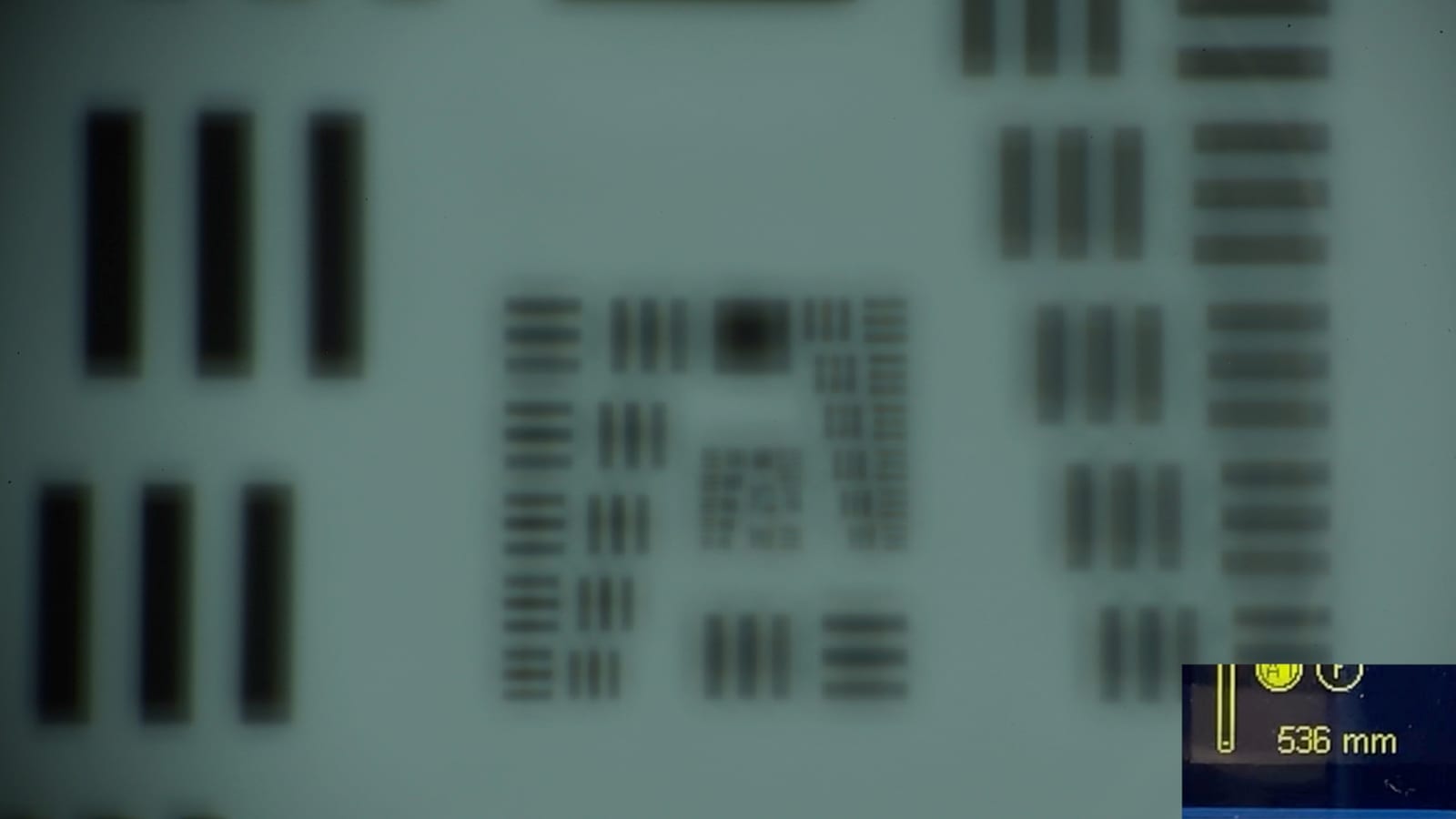
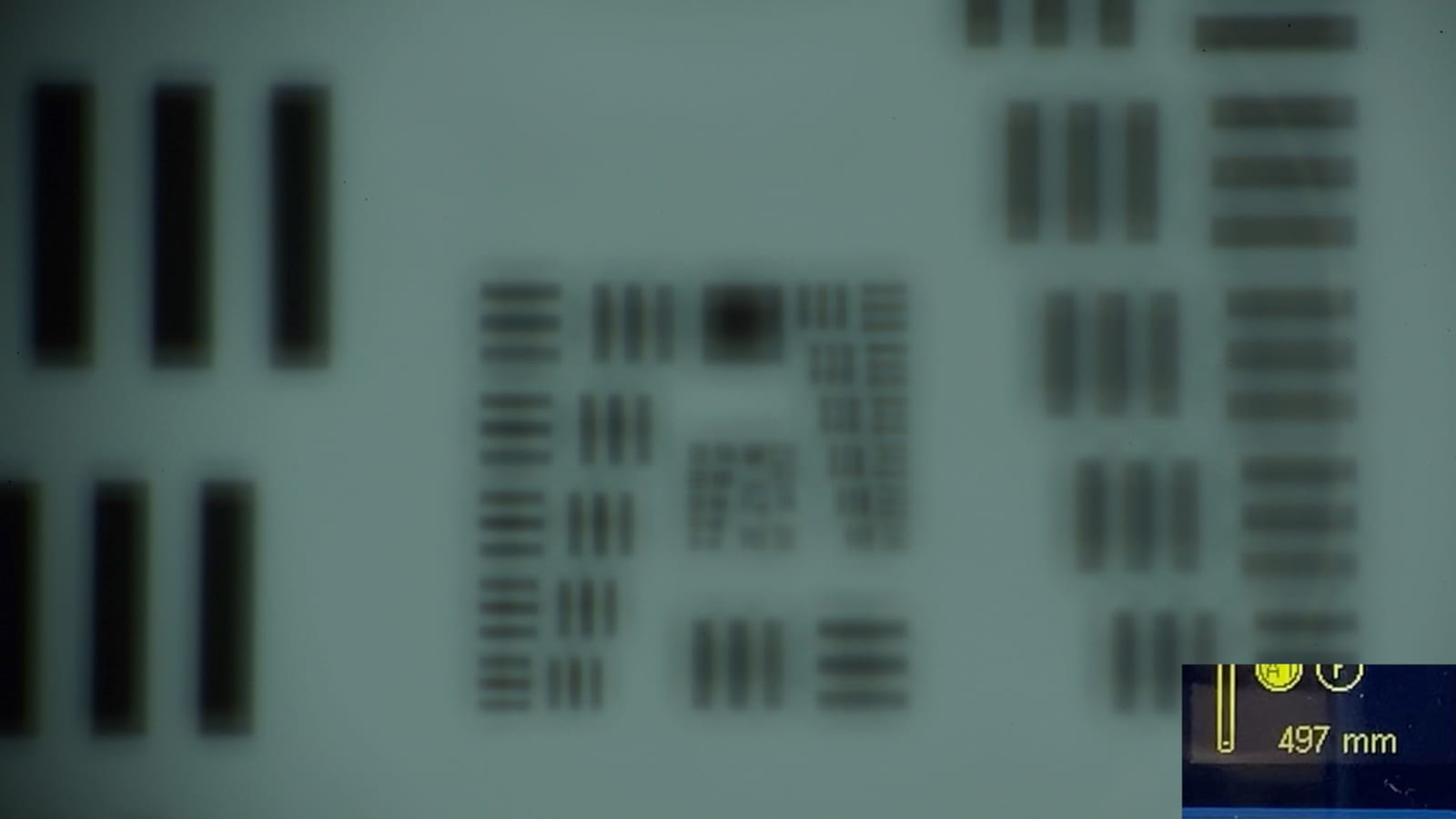
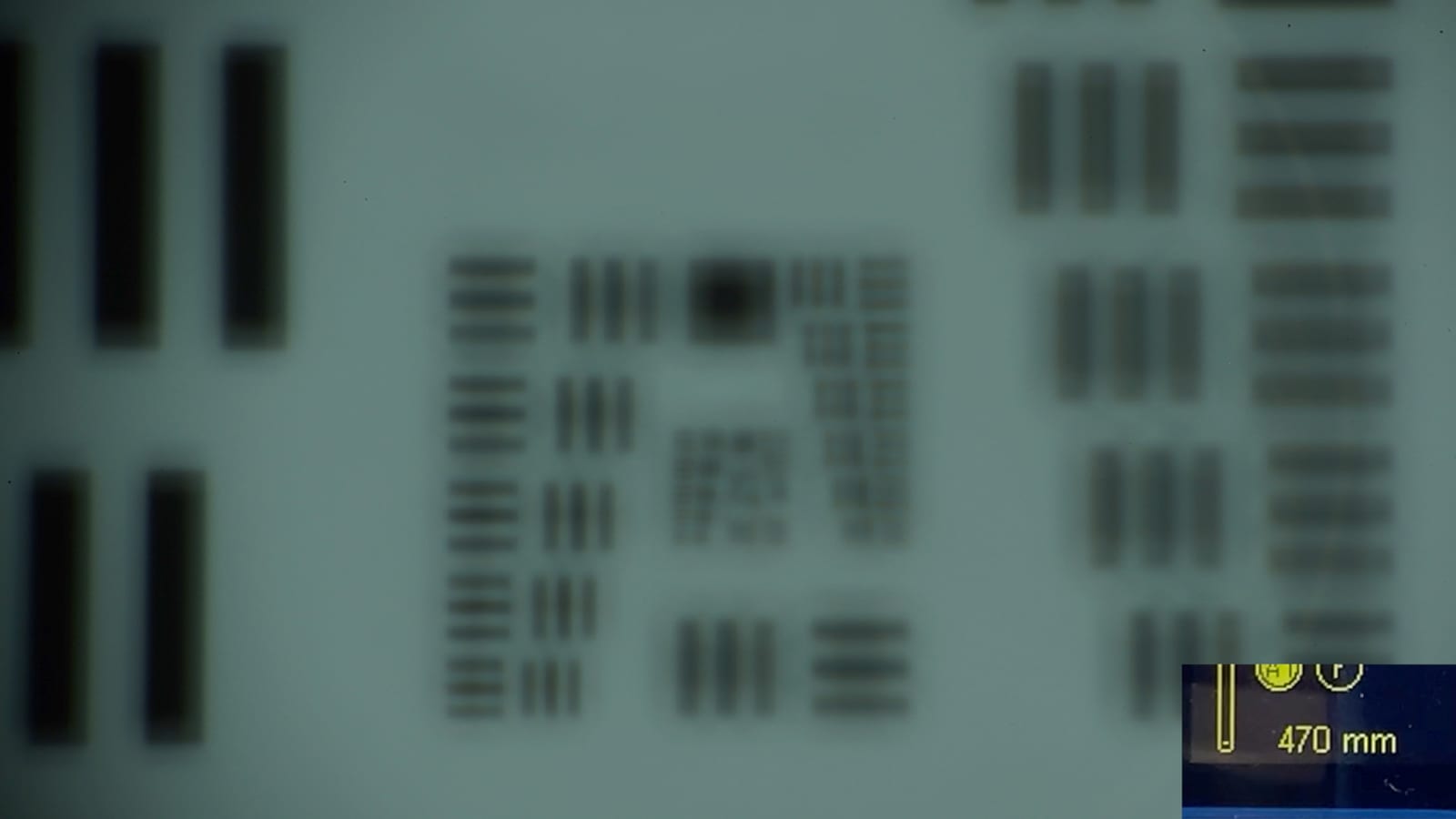
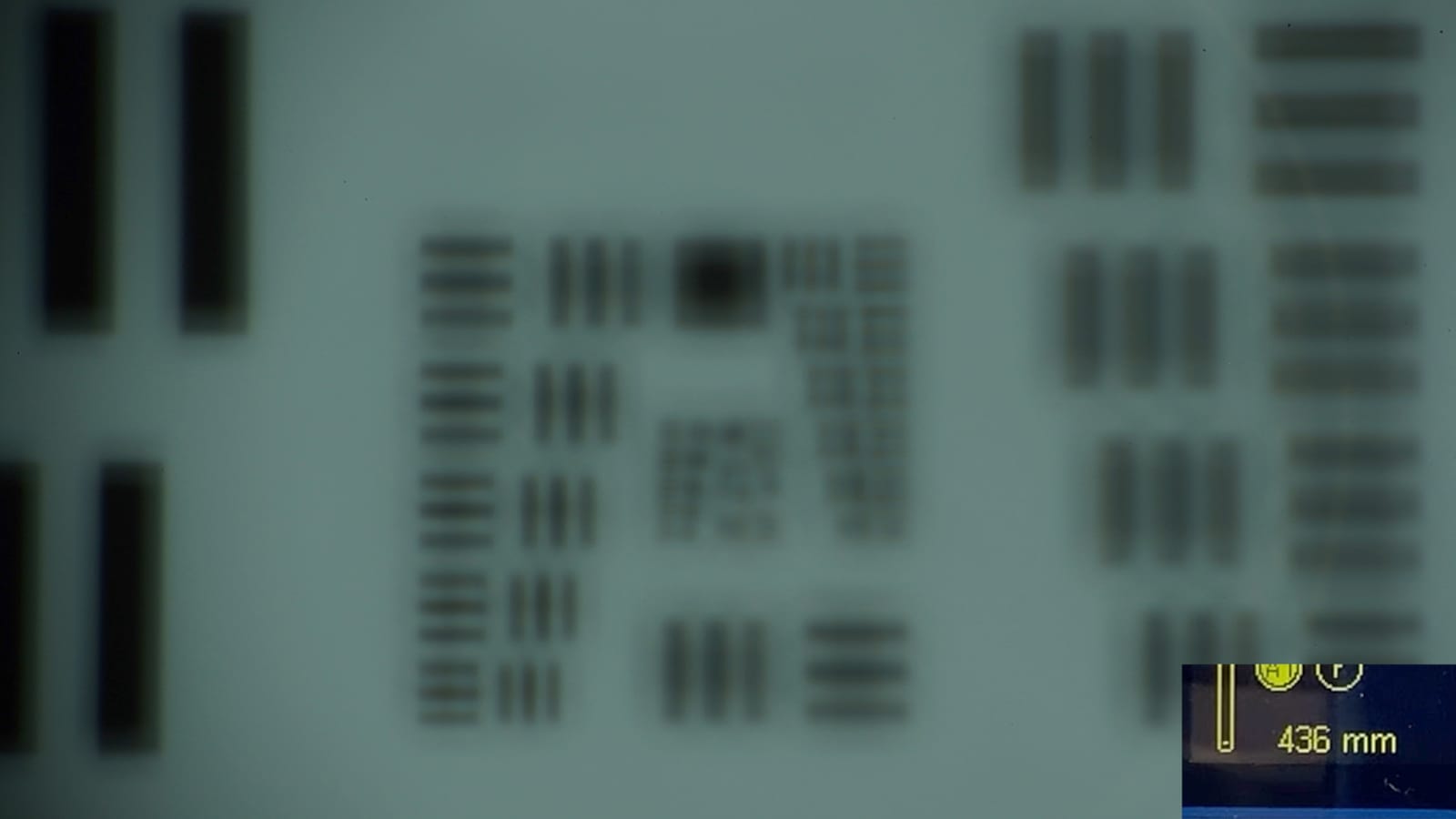
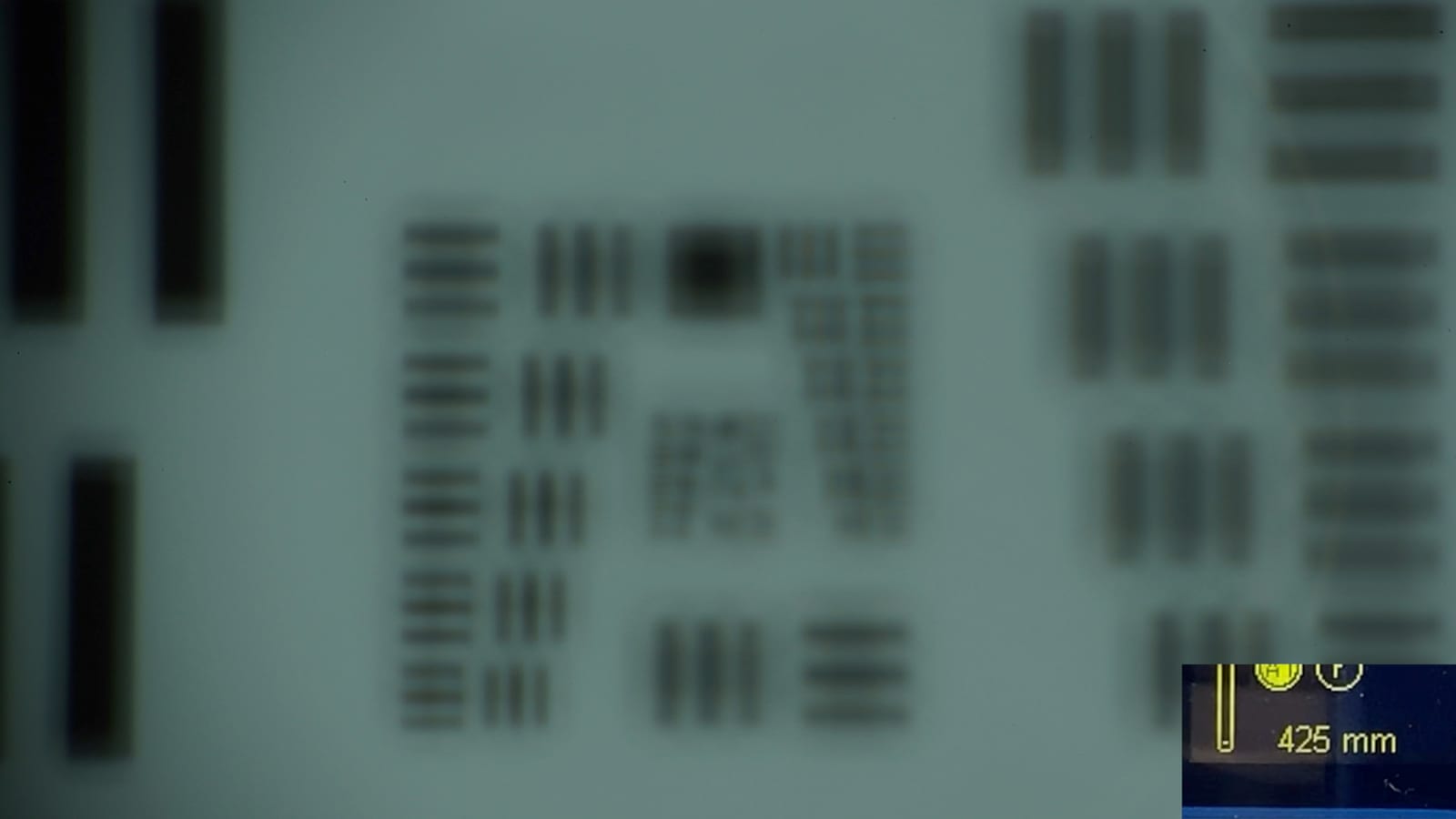
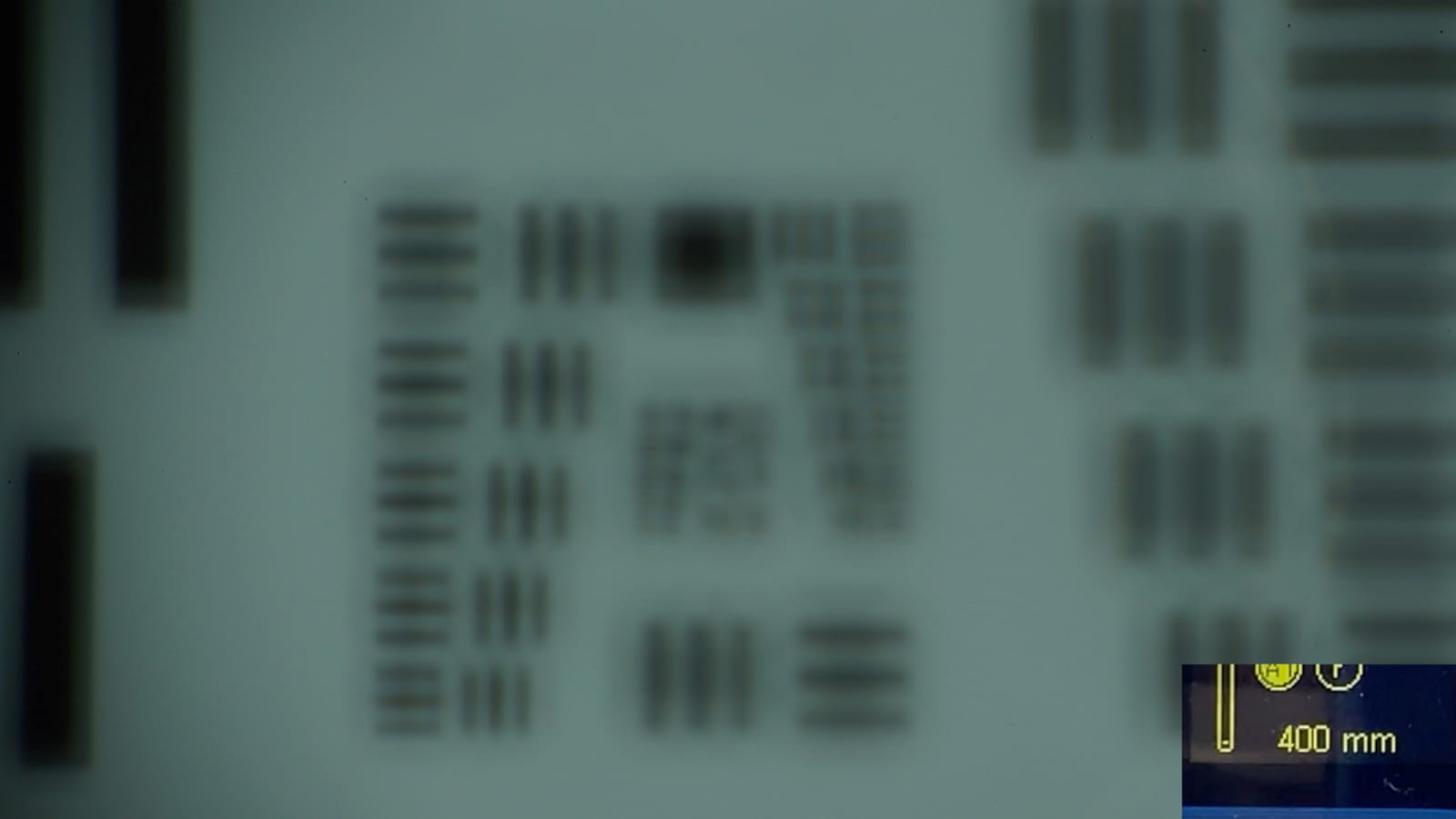
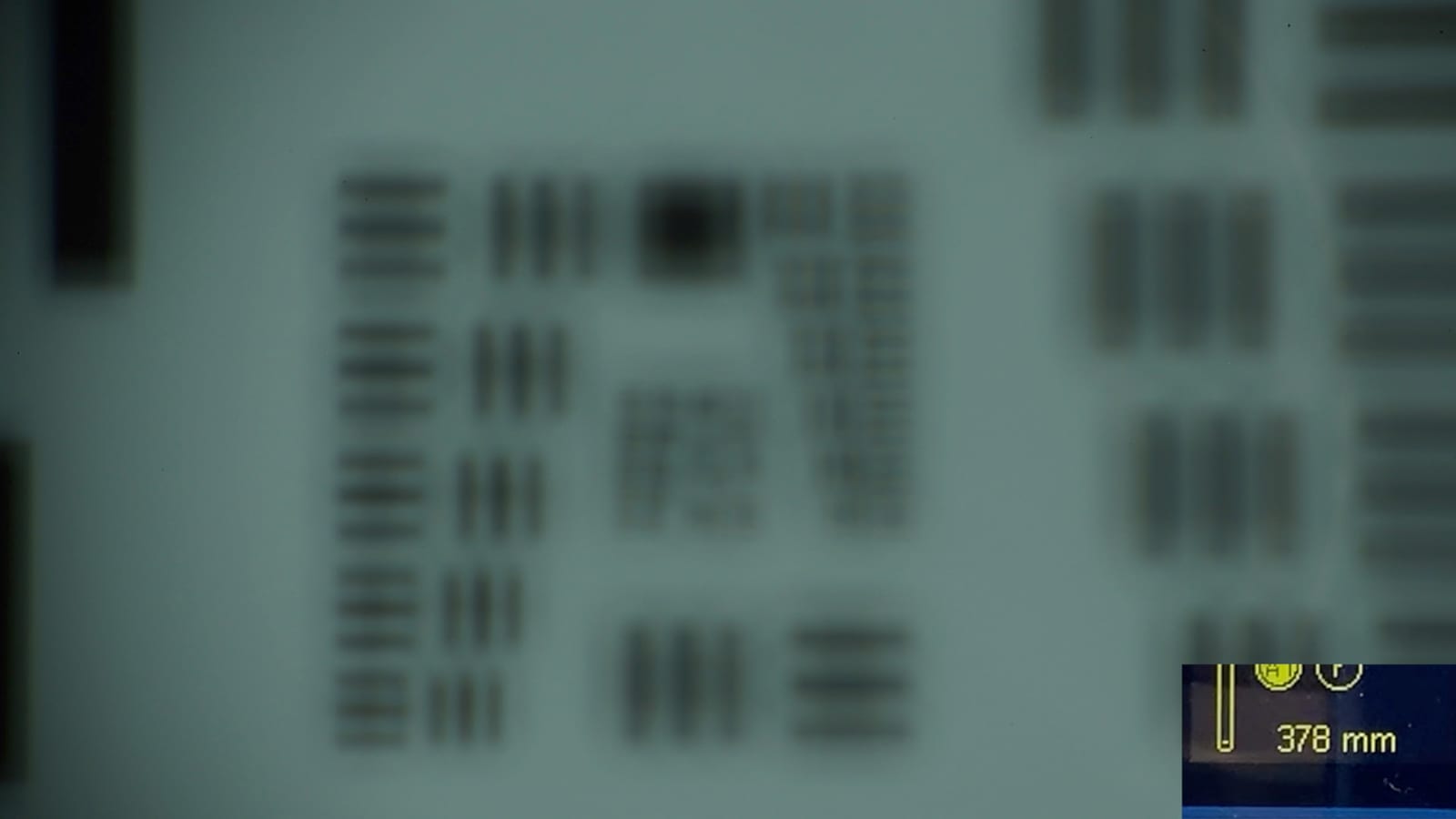
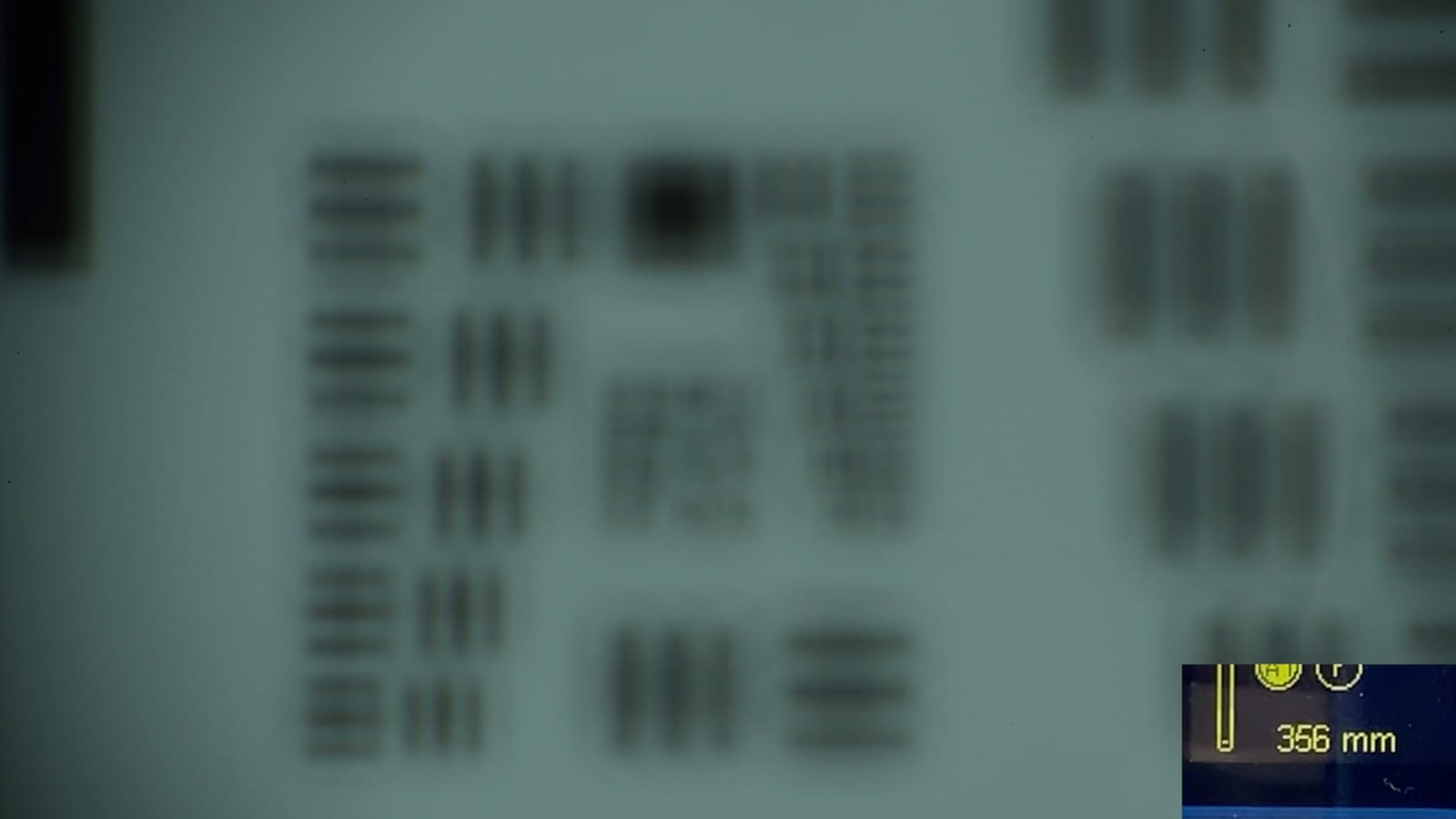
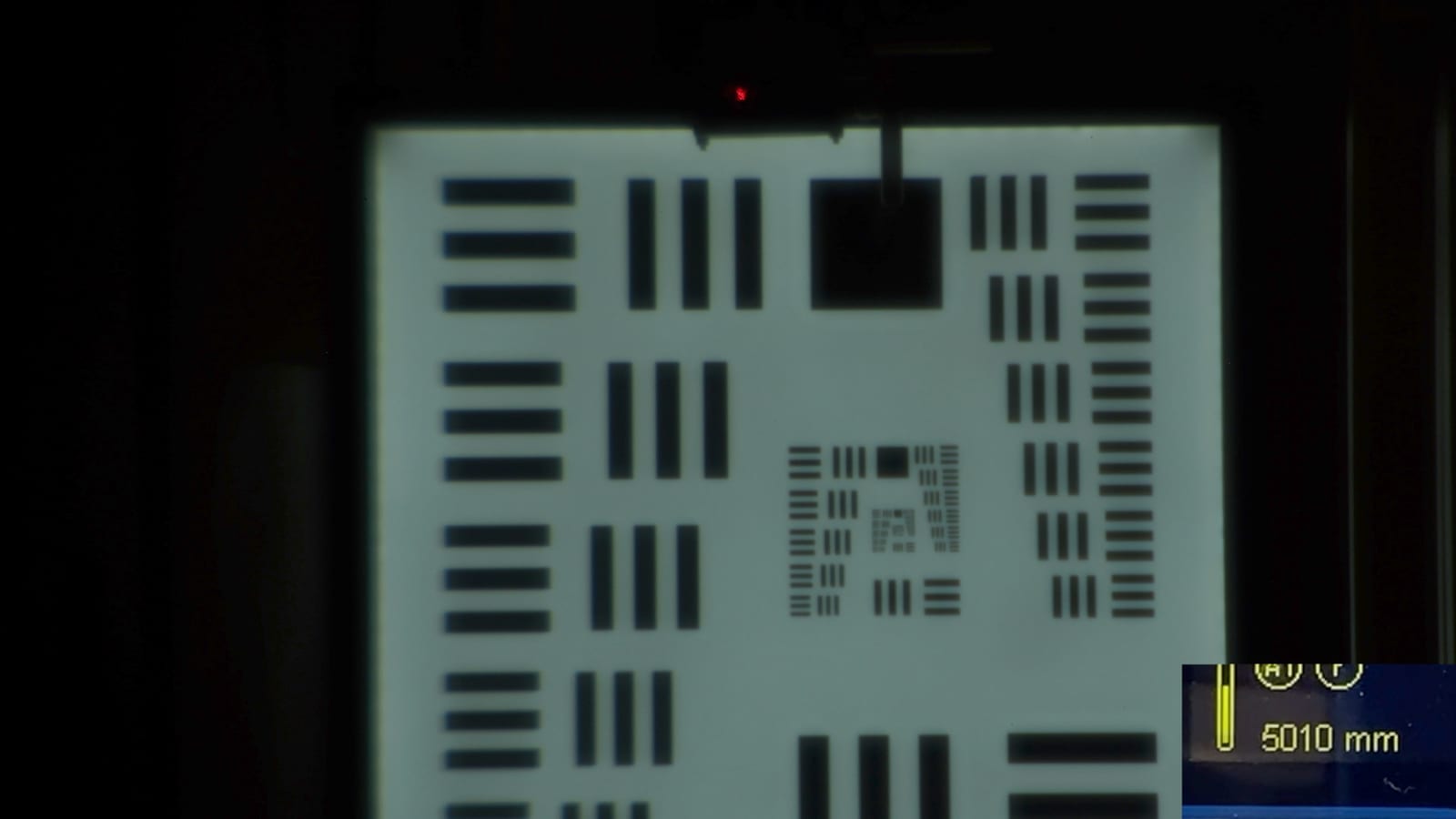
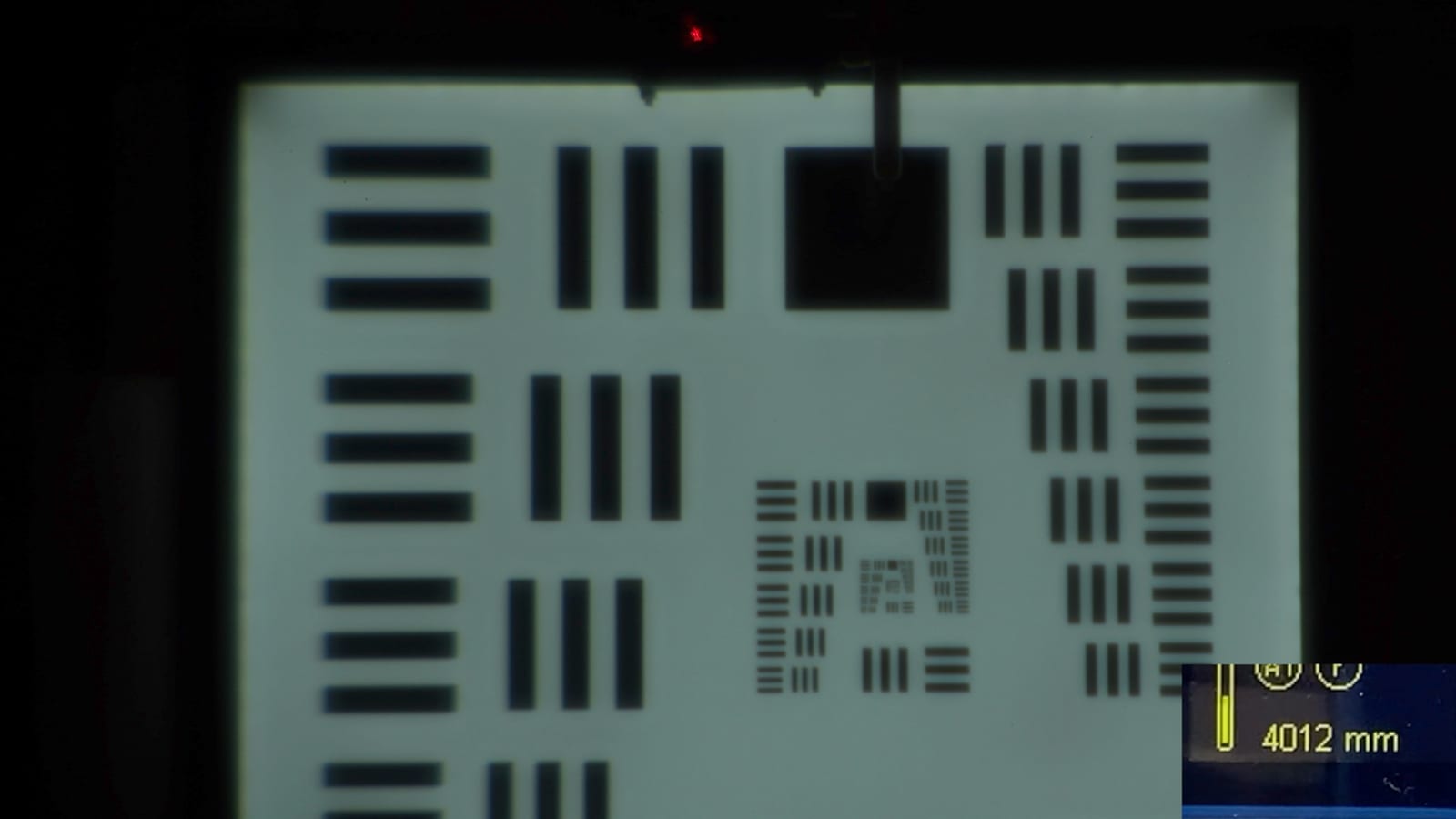
PureSee, image of the eye chart by distance (pupil 3.0 mm)

With Puresee IOL (Johnson & Johnson), USAF resolution target was clear as with monofocal IOL at 6 meters.This is typical of recently released refractive multifocal IOLs. The target gradually becomes blurred as the resolution target get closer, becoming clear again around 59 cm before becoming blurred again.
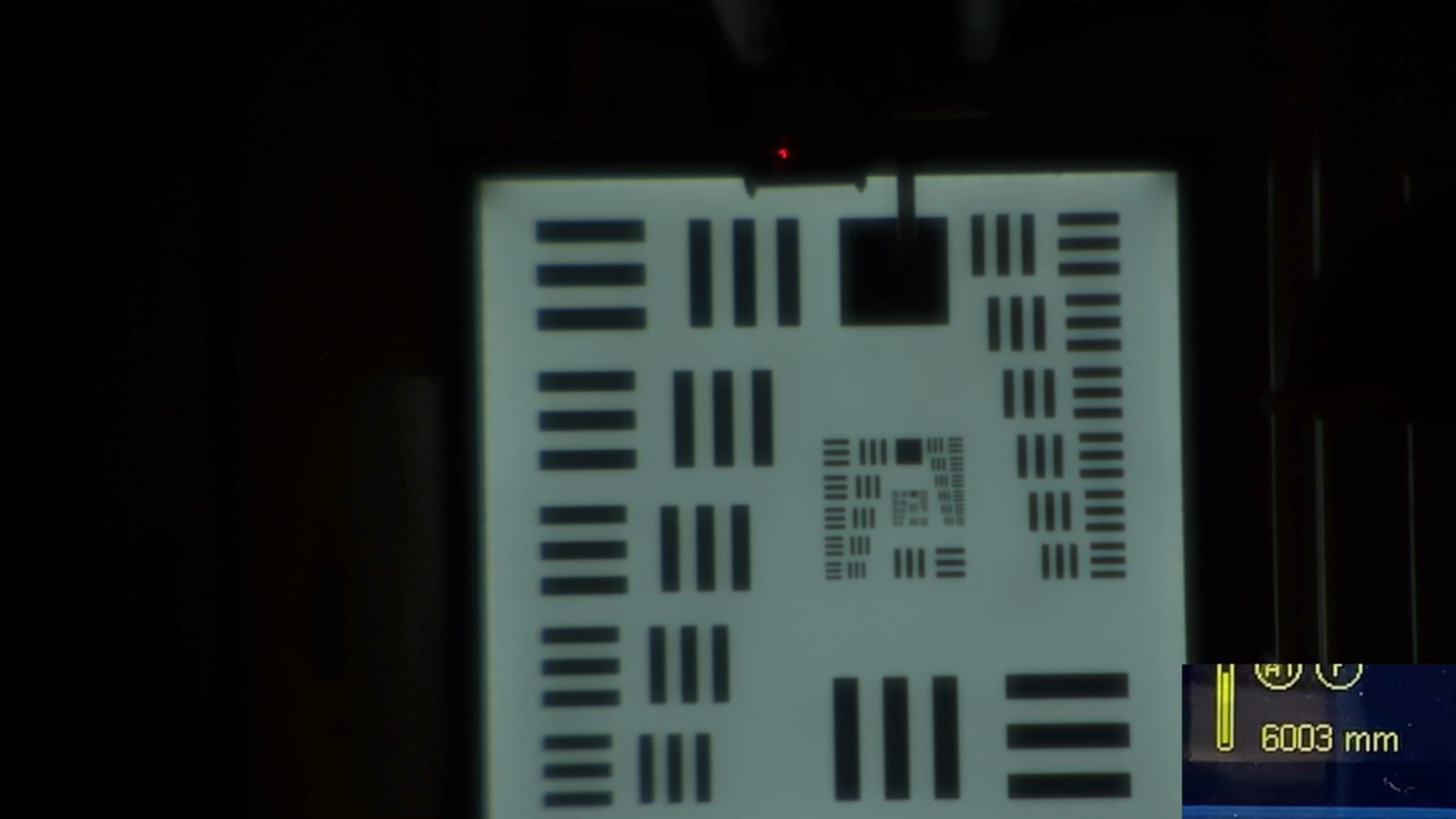
6m

Distance6m

2

PureSee, night road, pupil 3.8 mm, glare

With Johnson & Johnson's PureSee, glare around bright lights at night (traffic lights, car headlights, taillights) is slightly greater than with a monofocal IOL, but much less than with a diffractive multifocal IOL.
This is a phenomenon typically seen with the recently released refractive multifocal IOLs.
Manufacturer
AMO (J&J Vision)
Country of manufacture
Netherlands
Type
Refractive
Diffractive pattern size (mm)
-
Number of focal points
Pure refractive EDOF
Add power (D)
-
Intermediate / near distance, etc.
-
Color
Light yellow
Hydrophilic / Hydrophobic
hydrophobic
Spherical / Aspheric
Aspheric
Asphericity (µm)
-0.27
Refractive index
1.47
Abbe number
Contact
UV filter
O
Violet light filter
O
Power range (D)
5~34
Toric IOL availability
O
Haptic design
C-loop
  • The specifications above are based on data provided by the IOL manufacturer or its distributor.
  • An IOL with a higher refractive index is thinner at the same dioptric power.
  • Abbe number: measured for optics exposed to air; a higher value means less chromatic aberration.

There are not yet many clinical papers on PureSee (TECNIS PureSee) in PubMed, but the studies published so far evaluate quality of vision, distance and intermediate visual acuity, near visual acuity, glare/halo, contrast sensitivity, and patient satisfaction. The key clinical results from PubMed are summarized below by paper, followed by a summary of the common conclusions.[1][2][3][4][5]

PubMed Paper List

YearPaperStudy type / subjectsKey findings
2024Quality of vision clinical outcomes for a new fully-refractive extended depth-of-focus intraocular lens [6]Clinical outcomes report, PureSee IOLImproved intermediate and near performance, with better quality of vision than a monofocal IOL [6].
2025Optical and Visual Outcomes of a New Refractive Extended Depth of Focus Intraocular Lens [3]Optical and clinical evaluationAbout 2.00 D of extended depth of field, increased depth of focus with small pupils, and small, low-energy halos [3].
2025Clinical Performance After Implantation of a New Purely Refractive Extended Depth of Field Intraocular Lens in Cataract Patients [1]PureSee vs Eyhance, 100 eyesPureSee was better at intermediate and near distances, distance vision was similar, and contrast sensitivity was comparable [2].
2026Clinical Performance After Implantation of a New Purely Refractive Extended Depth of Field Intraocular Lens in Cataract Patients [1]Prospective, non-controlled, 58 eyesHigh visual outcomes and patient satisfaction at 3 months, with halo/glare non-inferior to a monofocal IOL [1].
2026Early Visual Performance and Subjective Experience After Bilateral Implantation of a Novel Fully Refractive Extended Depth of Focus Intraocular Lens [4]Post-bilateral-surgery evaluation, 103 patientsExcellent distance and intermediate vision, functionally good near vision, and high QoV and patient satisfaction [4].
2026Patient-reported outcome measures after non-diffractive extended range of field IOL implantation: PureSee versus Vivity [5]PureSee vs VivityPureSee had less dysphotopsia and better contrast sensitivity, while Vivity performed better for near/reading tasks [5].

Summary of Results

The common strength of PureSee is that it provides intermediate and some near vision without significantly compromising distance vision, while keeping optical side effects such as halo/glare relatively low.

In particular, favorable results in contrast sensitivity and dysphotopsia were reported repeatedly.[3][4][5][1]

On the other hand, it does not offer full multifocal-level near independence, and some studies found near reading performance slightly below Vivity.

In short, PureSee is best interpreted as a "balanced EDOF lens centered on distance and intermediate vision".[2][4][5]
문의 내용작성자작성일