
396 views
Odyssey IOL (Johnson & Johnson) is a diffractive IOL. Through Synergy IOL (Johnson and Johnson), distant objects appear somewhat blurry, but this lens has improved this.


Compared to monofocal IOLs, a distant buildings appears slightly hazy, as if in a fog. This is a typical phenomenon seen with diffractive multifocal IOLs. But, it is better than that of Synergy.

At night, halos around bright lights are more noticeable than with a monofocal IOL. This is typical of diffractive multifocal IOLs. Larger pupils make it even more noticeable. This is comparable to Synergy.
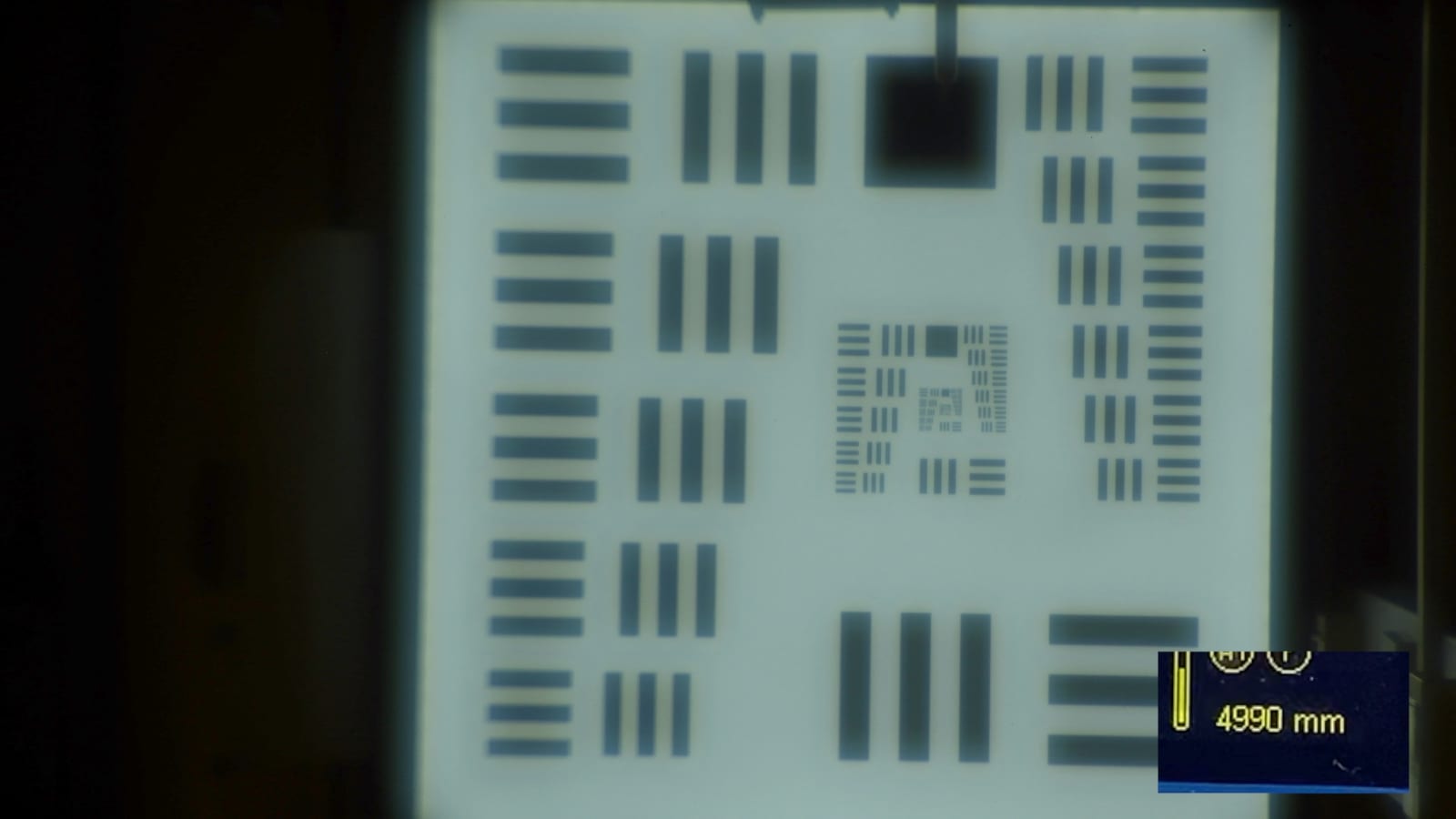
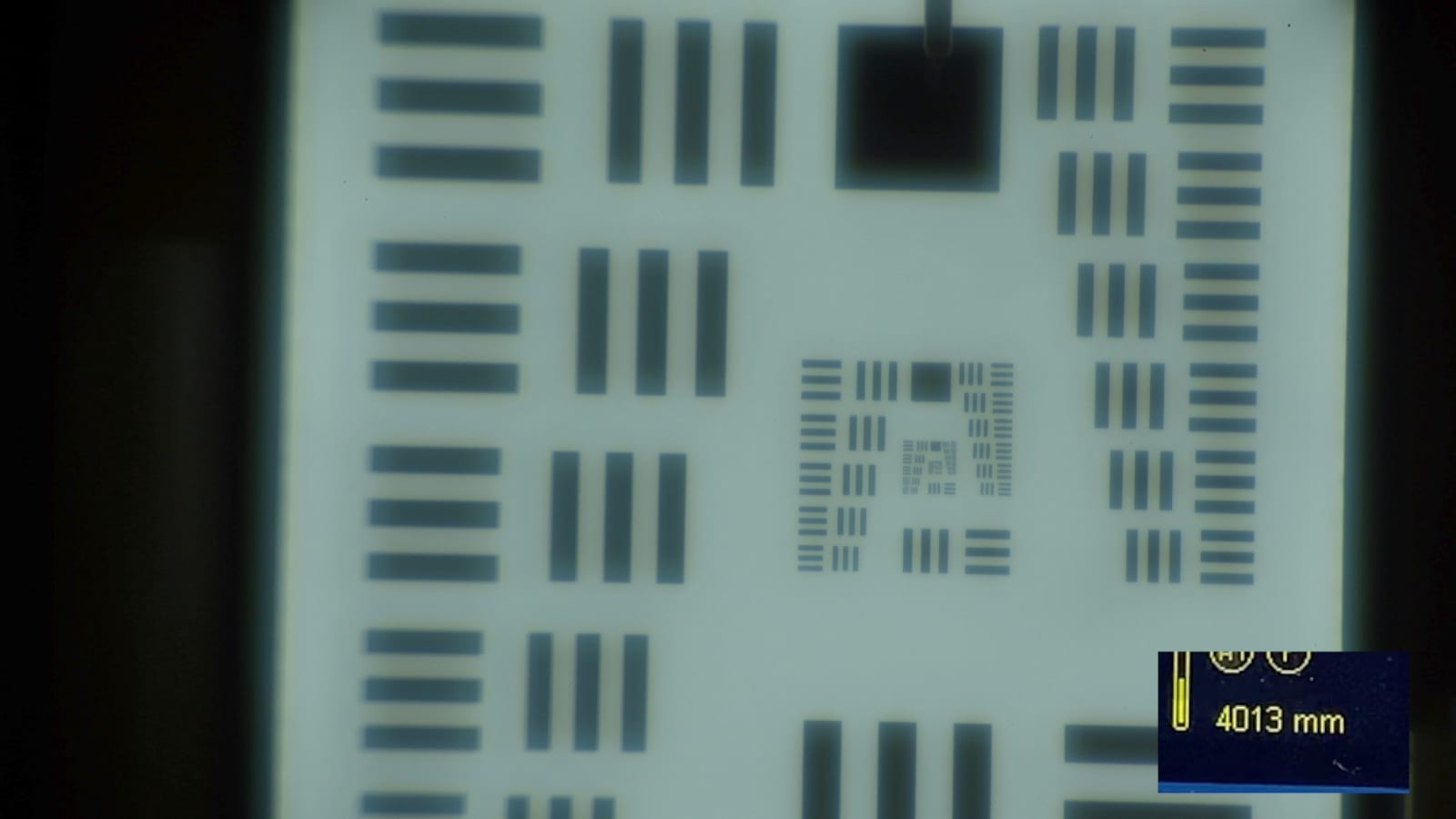
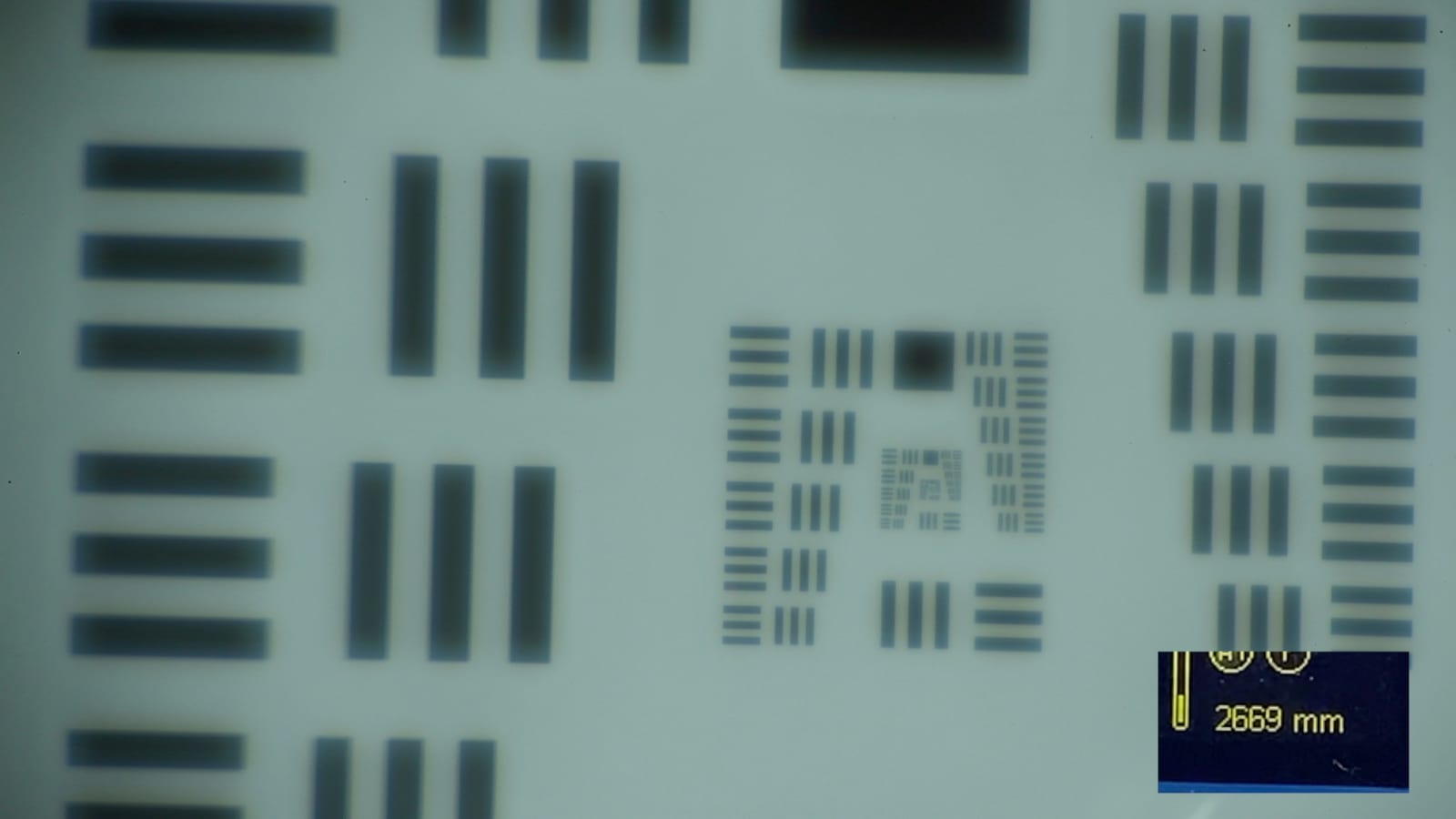
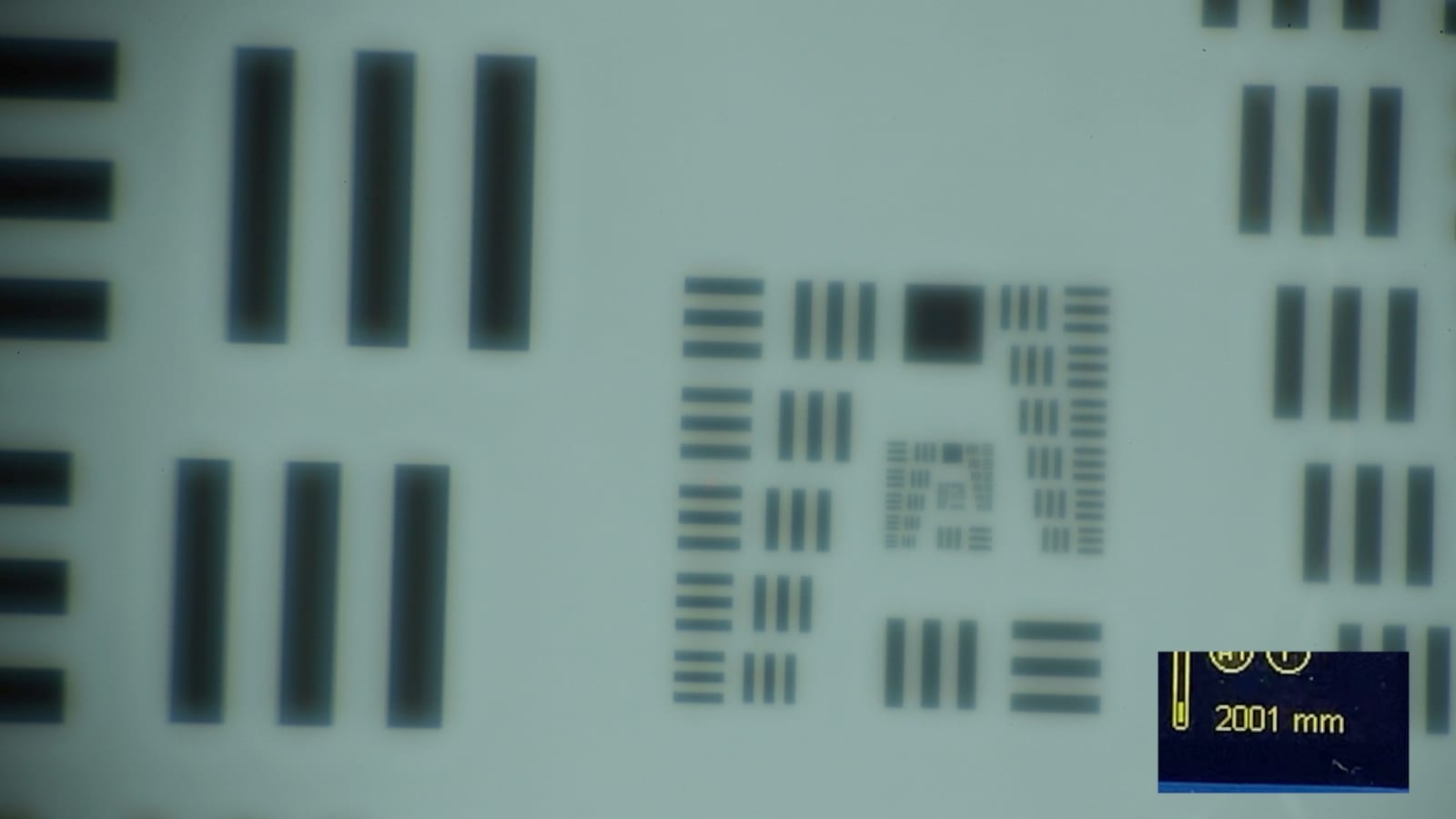
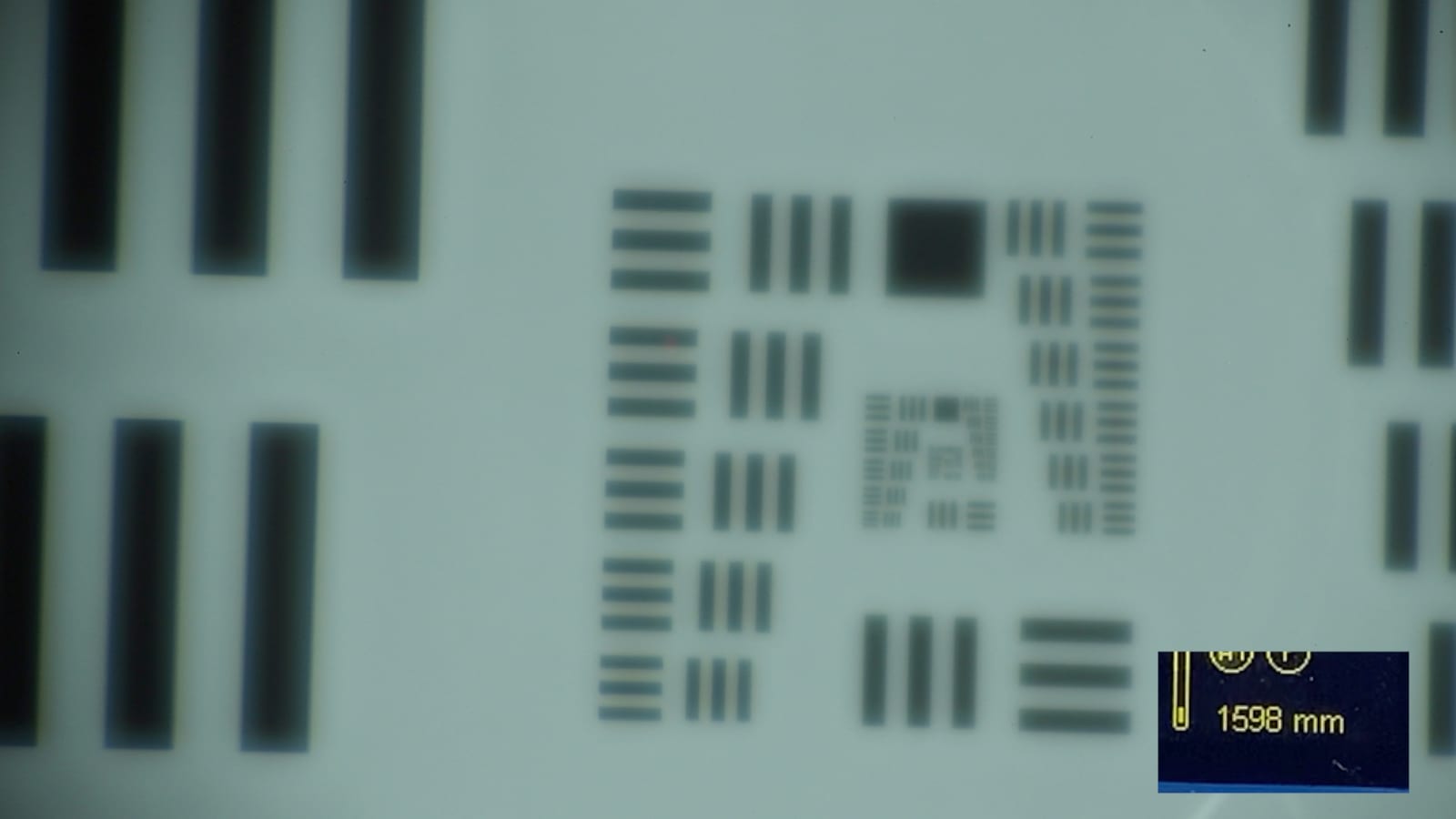
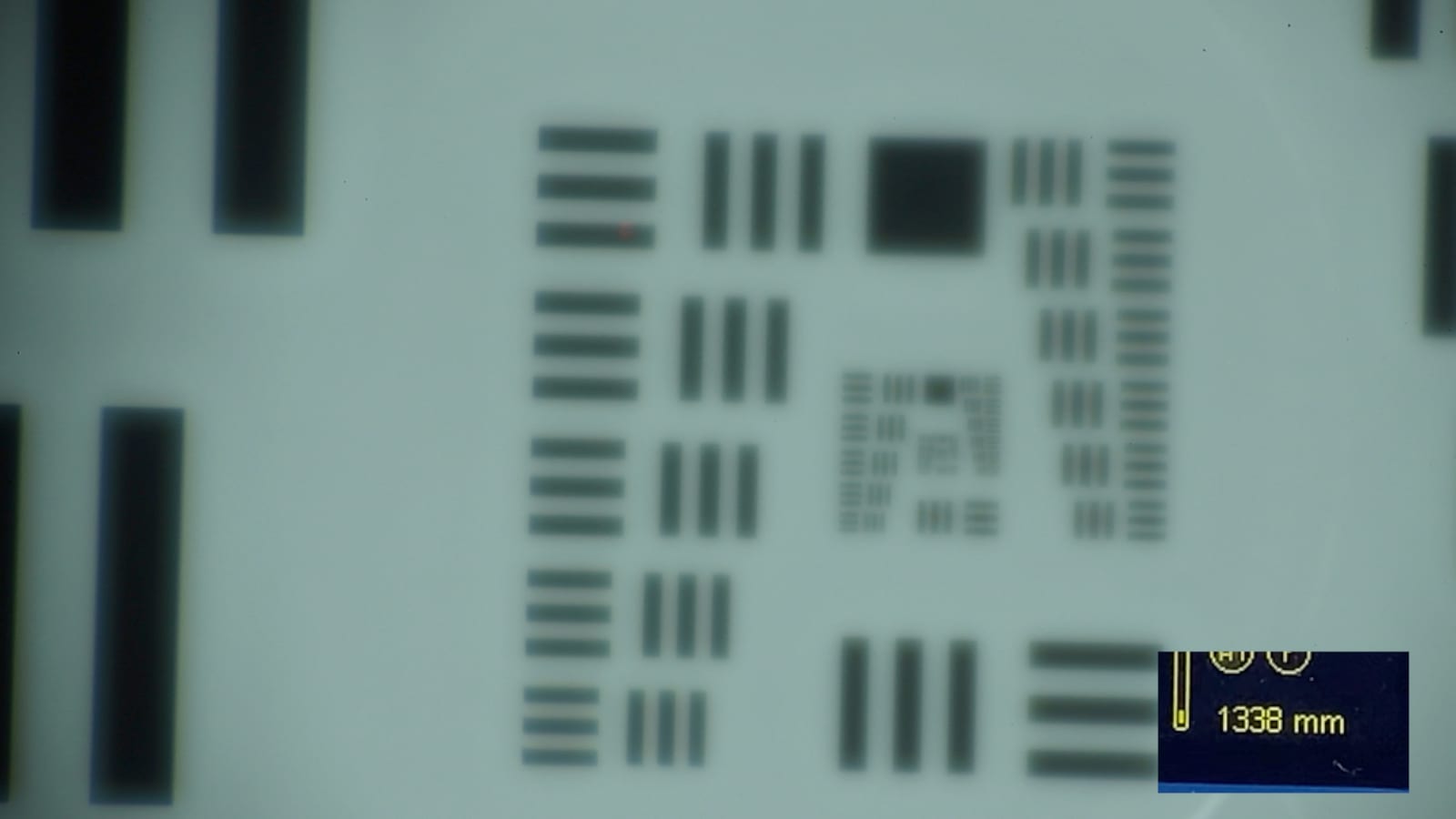
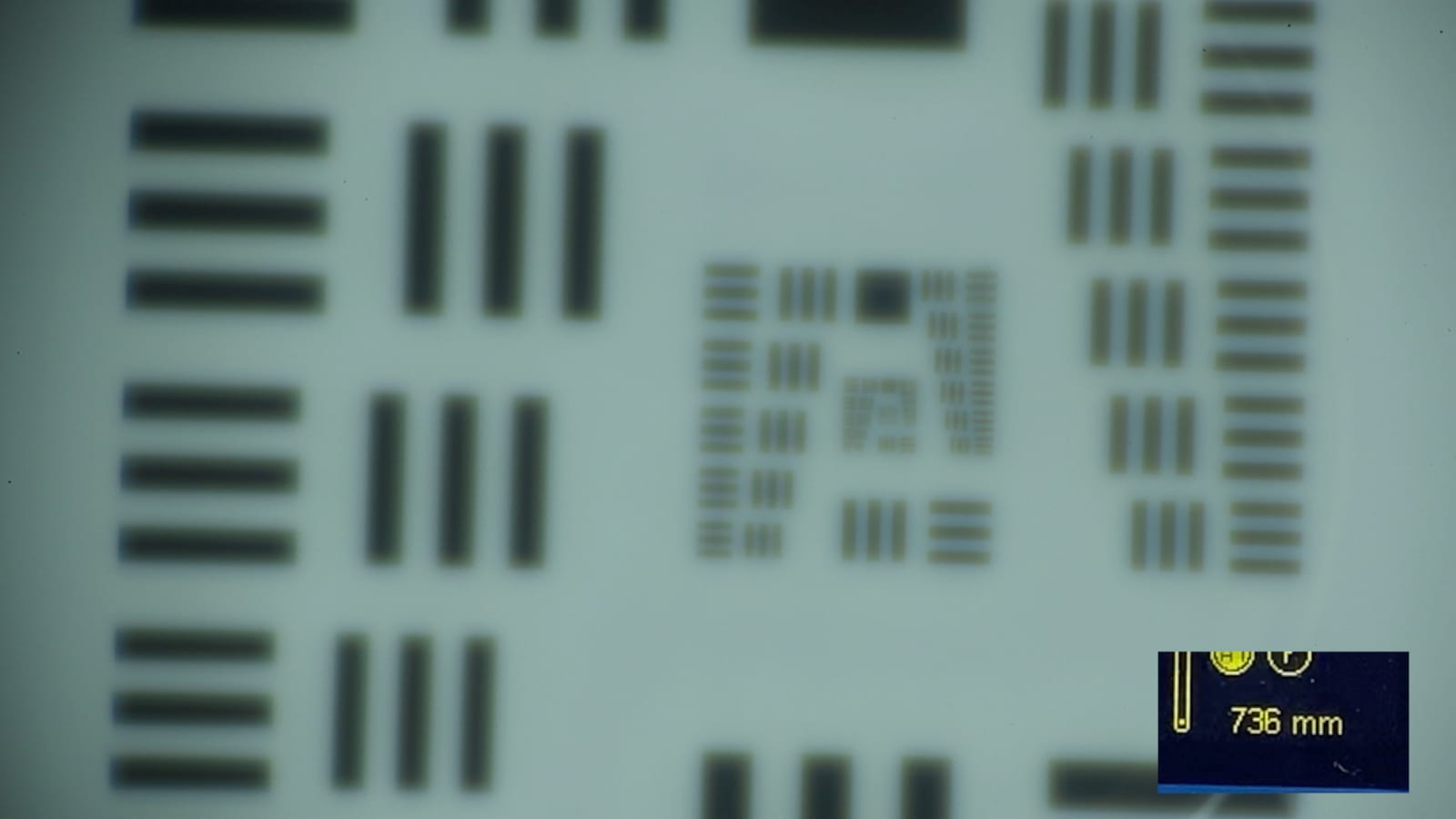
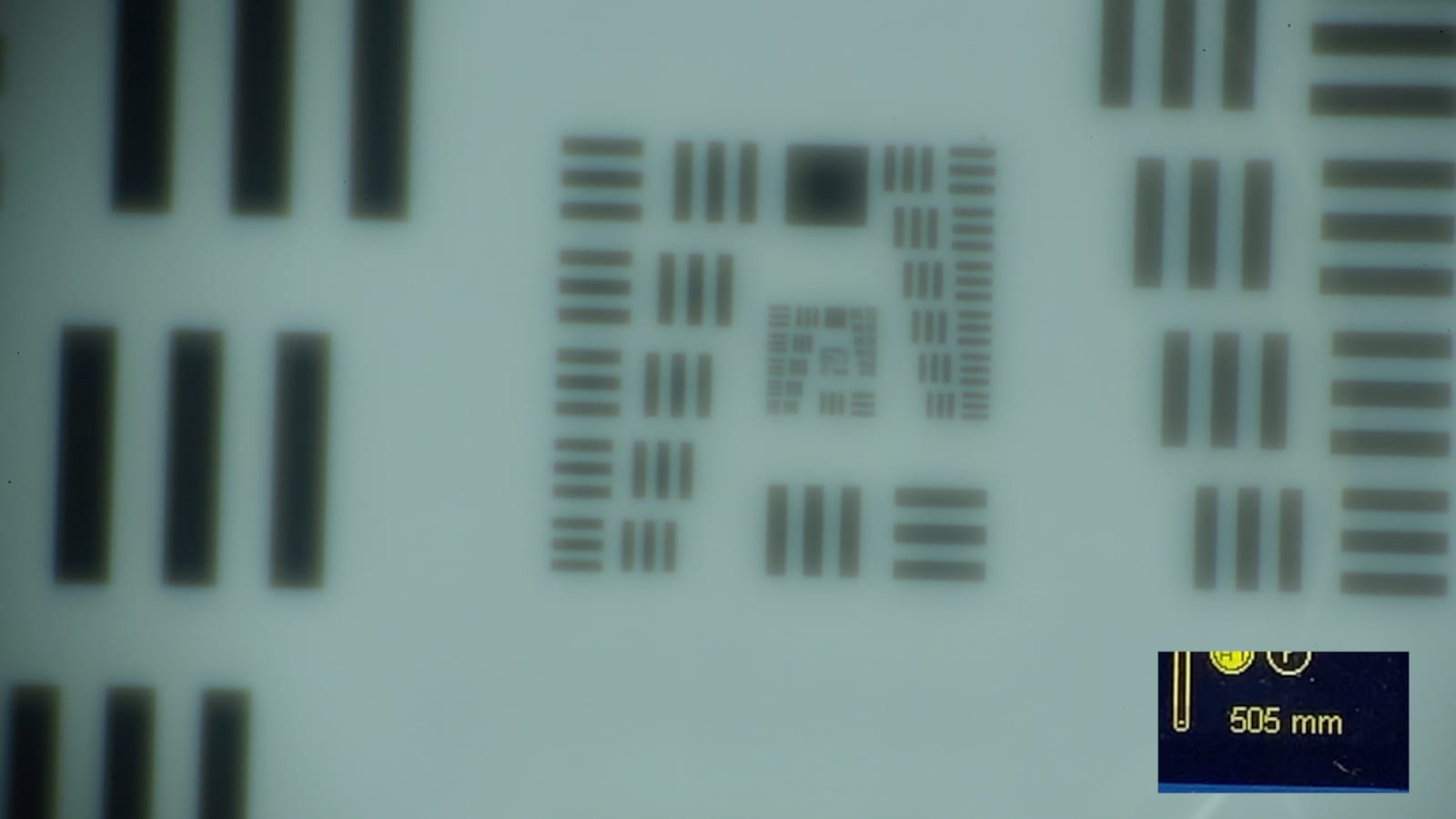
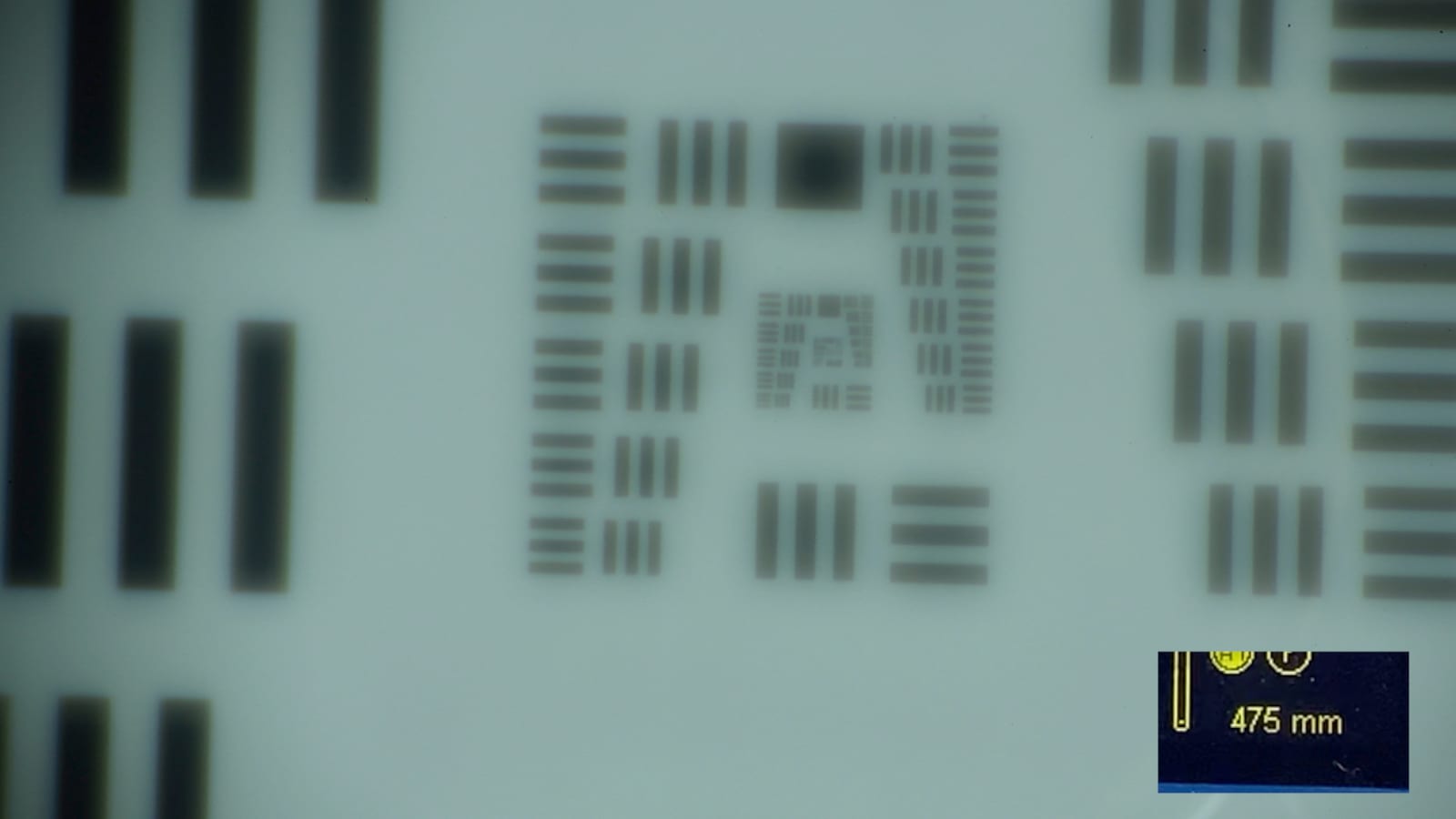
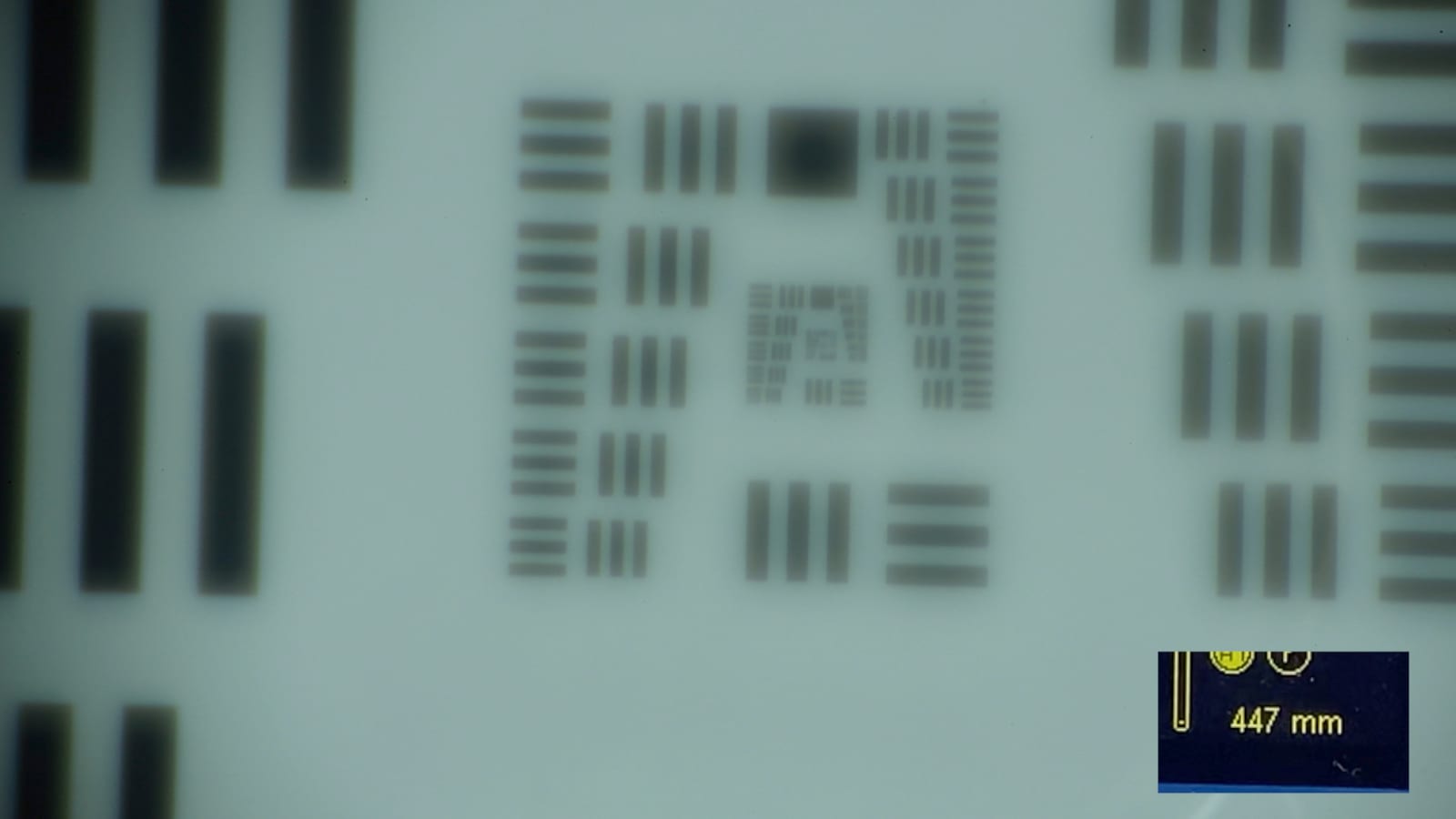
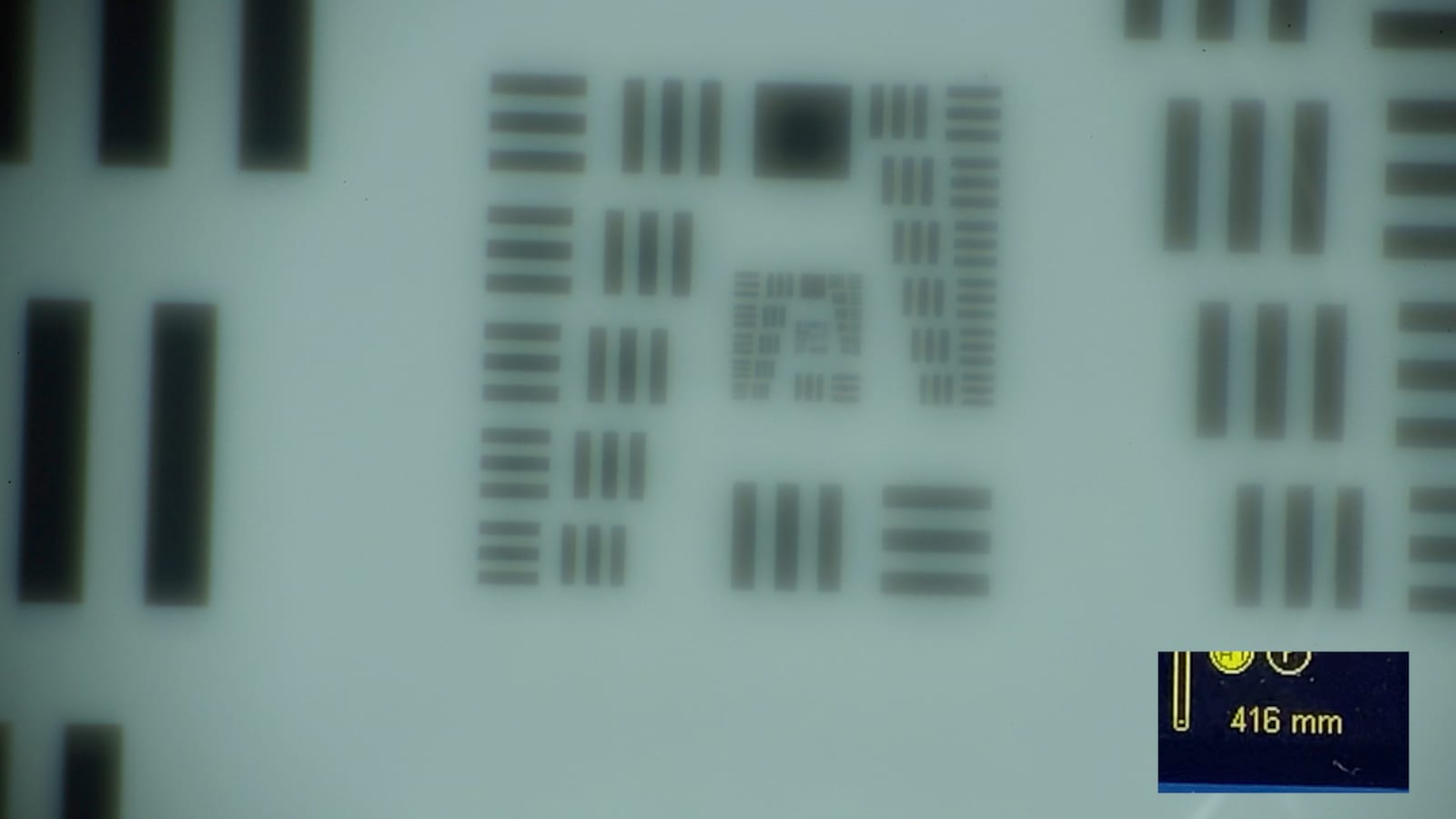
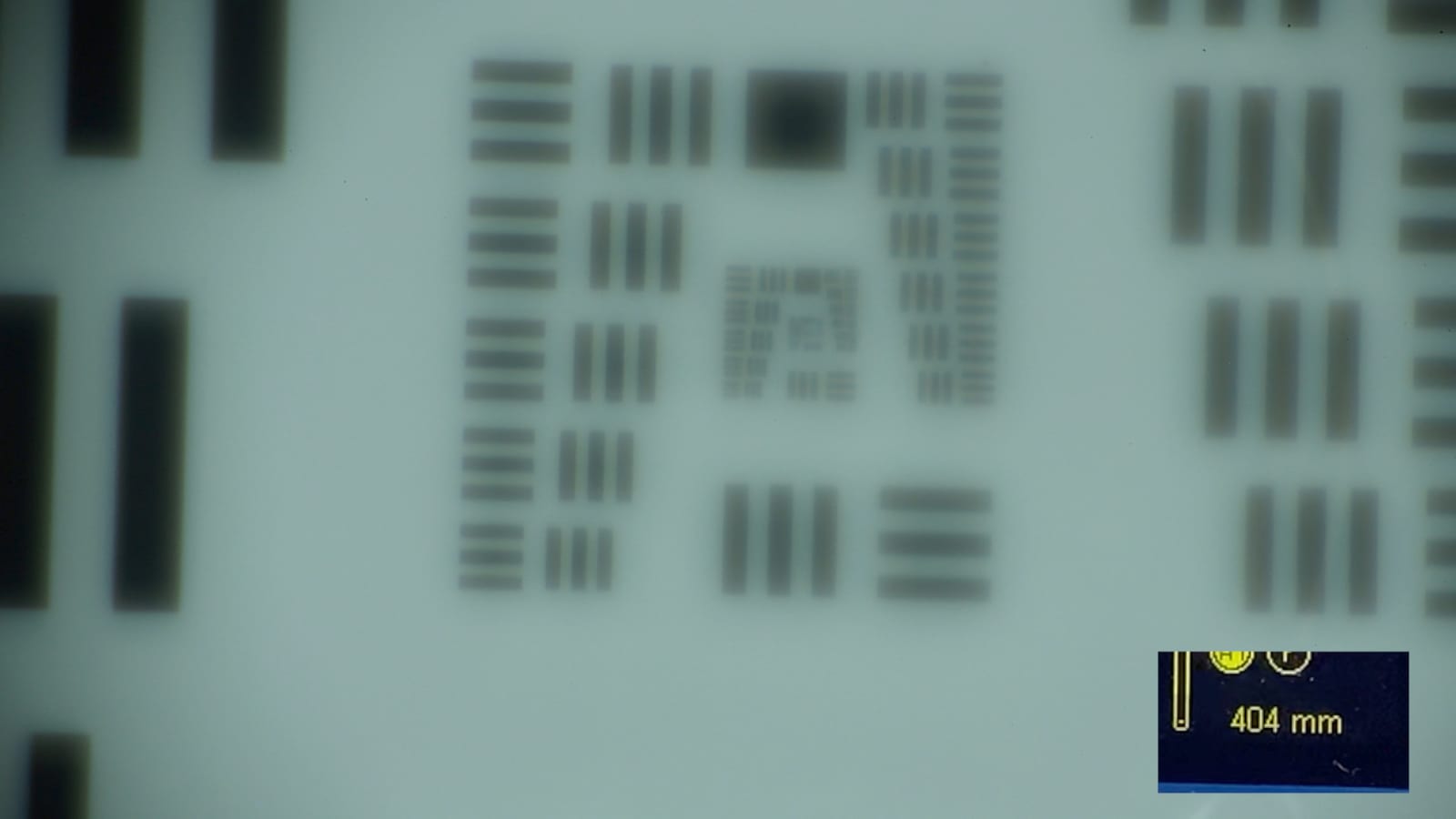
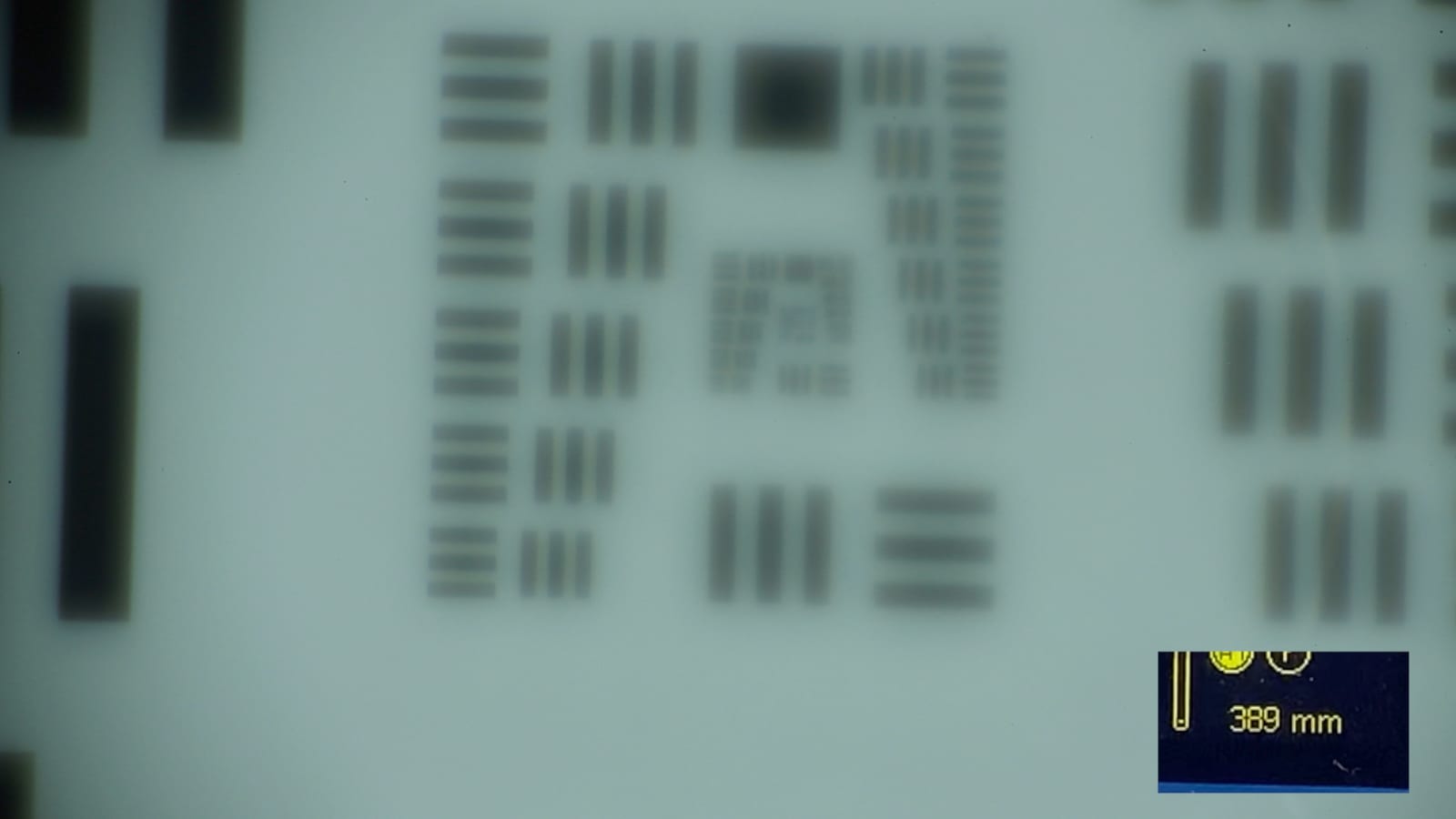
Odyssey IOL (Johnson & Johnson). At 6 meters, USAF resolution target appears slightly hazy compared to a monofocal IOL, but is better than that of Synergy. Blurring was observed as the model eye got closer and the image became clear again at approximately 67 cm. Subsequently, the clarity decreased as the distance decreased. Image became clear again at approximately 43 cm. Subsequently, the clarity decreased as the distance decreased.

Distance6m
This video was taken at night, using a mobile model eye. Compared to a monofocal IOL, halos are visible around bright lights (traffic lights, headlights, taillights) with Odyssey IOL. This is comparable to Synergy. This is a typical phenomenon seen with diffractive multifocal IOLs. The larger the pupil, the more pronounced the halos are.
We reviewed the clinical outcome papers on the TECNIS Odyssey intraocular lens in PubMed. At least two representative papers have been identified so far, including an early single-arm clinical study and a comparative study against another trifocal IOL.[1][2]
This early clinical report evaluated 1-month outcomes after bilateral implantation of TECNIS Odyssey in 25 Japanese patients. Binocular UCVA/DCVA was generally good from distance to near, and the defocus curve stayed at the 0.0 logMAR level from +0.5 D to -2.0 D. Spectacle independence was 64%; glare and starburst were infrequent, but moderate or worse halos were reported by 52%. Overall, the results point toward a wide range of vision with reduced photic phenomena.[1]
This prospective study implanted Odyssey and PanOptix in the fellow eyes of the same patients. Odyssey was superior in distance vision and contrast sensitivity, while PanOptix was superior in intermediate vision. Near vision, photic symptoms and spectacle independence showed no major difference between the two lenses. In short, Odyssey has a clear strength at distance, while PanOptix is slightly ahead at intermediate range.[2]
The clinical evidence for Odyssey currently available in PubMed is still at an early stage, but the direction is fairly consistent. In summary, Odyssey offers good distance vision and contrast sensitivity, adequate intermediate vision, and although photic phenomena such as halos remain, they appear milder than in earlier continuous range of vision (CRV) lenses. Comparative studies show distinct strengths and weaknesses against competing trifocal IOLs, so the choice may depend on whether the patient's needs are distance-centered or intermediate-centered.[2][1]